Double-sided tape is a versatile and practical adhesive solution that has transformed how we approach everyday mounting tasks. From hanging pictures without leaving holes in walls to securing carpets, double-sided tape has become a go-to tool in many households and industries. This article explores the science behind double-sided tape, types of backing materials, common household applications, factors affecting bond strength, and techniques for removal without causing damage. Whether you're considering using double back tape or exploring different double-sided tape strips, this guide provides valuable insights into this indispensable sticky tool.
Understanding Adhesive Mechanisms
The adhesive mechanism of double-sided tape is crucial to its effectiveness. At its core, the adhesive is designed to bond to two surfaces simultaneously, providing a strong yet removable hold. The effectiveness of the adhesive relies on a balance of strength and flexibility, with formulations often tailored to specific applications.
| Adhesive Type | Properties | Applications |
|---|
| Acrylic | High strength, UV resistance | Outdoor use, industrial films |
| Rubber | Good initial tack, flexibility | Indoor use, temporary fixes |
| Silicone | Temperature resistance, chemical stability | Glass applications, electrical tape uses |
| Hot Melt | Quick bonding, cost-effective | Mass production, packaging, hot melt adhesive tape |
Types of Backing Materials
The backing material in a double-sided tape greatly influences its durability and application suitability. Different materials offer varying levels of strength, flexibility, and environmental resistance, catering to diverse needs from household to industrial contexts.
| Backing Material | Properties | Examples |
|---|
| Foam | Cushioning, uneven surfaces | Double-sided gel tape, crafting |
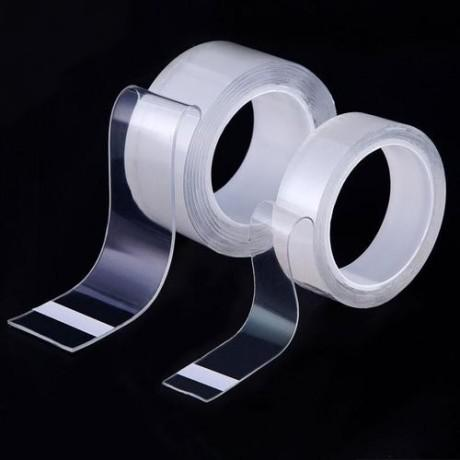
| Film | Thin, flexible | Nano tape magic, electronics |
| Cloth | Strength, tear resistance | Heavy-duty applications, building tape |
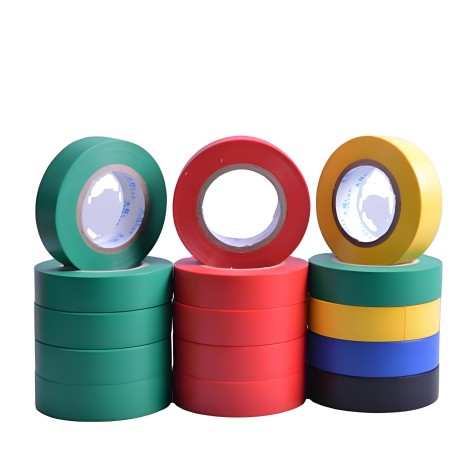
| PVC | Durability, moisture resistance | PVC electrical tape, outdoor use |
Common Household Applications
In homes across the world, double-sided tape serves a multitude of purposes. Beyond the mechanical fixation, its aesthetic benefit of eliminating visible fasteners is unmatched. Below are some of the most common uses of double-sided tape in everyday settings.
Picture Hanging: Securely hang frames without the need for nails.
Carpet Installation: Anchor rugs and prevent slippage with double back sticky tape.
Dampening Vibration: Use between surfaces to lessen noise from vibrations, such as with appliances.
Craft Projects: Bond paper, cardstock, and more with ease, ideal for scrapbookers.
Factors Affecting Bond Strength
The adhesive bond of double-sided tape can vary significantly based on several factors. Achieving the optimal bond involves understanding these factors and selecting tape that aligns with the specific requirements of the task.
Surface Type: Porous surfaces may require tapes with stronger adhesives to ensure a firm bond.
Load Weight: Heavier objects might necessitate thicker or reinforced tapes.
Environmental Conditions: Temperature and humidity can affect adhesive performance. Consider using hot melt glue tape in colder environments.
Application Pressure: Applying even pressure across the tape enhances adhesion.
Removal Techniques Without Damage
While double-sided tape offers a strong adhesive bond, removing it without damaging the surface can sometimes be tricky. Here are some techniques to help with safe removal:
Heat Application: Use a hairdryer to soften the adhesive for easier removal.
Slow Peeling: Gently peel back the tape at a 90-degree angle to minimize residue.
Solvent Use: Alcohol or adhesive removers can help dissolve sticky residues left by the double sided nano tape.
Surface Protection: Consider adding layers of masker tape or other protective films before applying strong adhesives.
Double-sided tape stands out for its versatility and ease of use, making it a staple in toolboxes worldwide. By understanding its mechanisms, applications, and ways to maximize its efficacy, users can confidently choose the right tape for their projects. Whether you're engaging in crafts, industrial applications, or simply looking to hang a picture without fuss, double-sided tape can provide a hassle-free solution. As innovations continue in this field, expect even more specialized products, like custom printed adhesive tape and environmentally friendly options, to become available, further broadening the scope of this trusty adhesive tool.