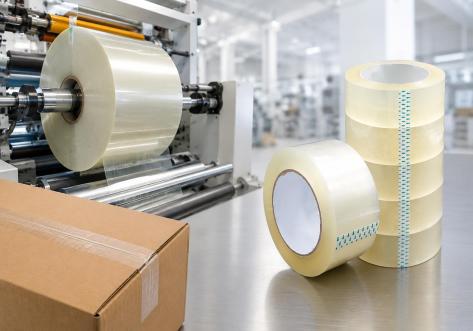
BOPP Adhesive Tape Jumbo Roll: What Buyers Should Check Before Ordering
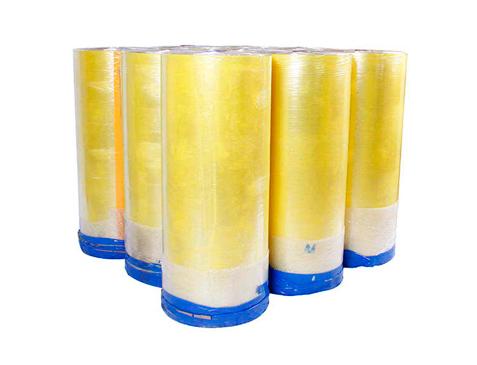
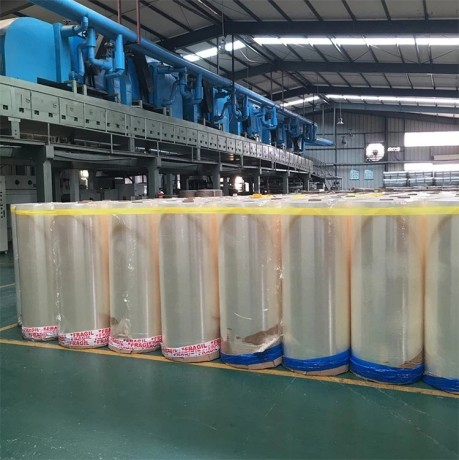
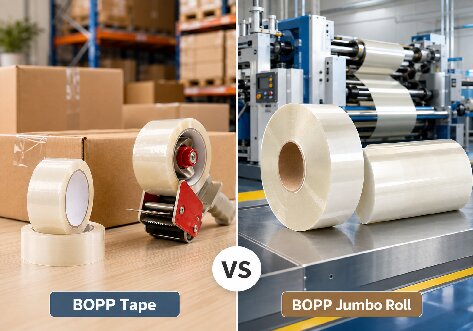
Buying finished BOPP tape and buying BOPP adhesive tape jumbo roll are not the same job.
At first glance, both look like tape purchasing. In practice, though, jumbo roll buying is much closer to a semi-finished material decision. If the jumbo roll specification does not match your rewinding line, your target roll size, your adhesive requirement, or your downstream market, the problem usually appears later — during slitting, rewinding, printing, or customer use.
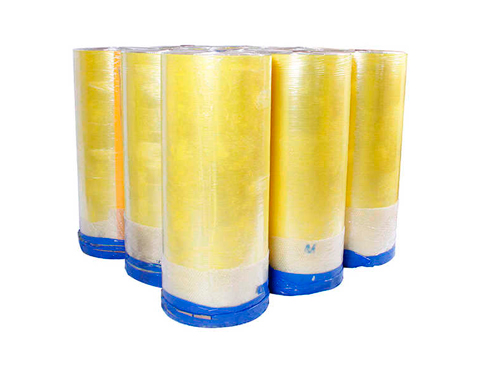
That is why buyers should not treat jumbo roll tape as a simple “bigger tape roll.” A jumbo roll is a production input. The wrong choice can affect rewinding efficiency, finished roll consistency, print result, and repeat-order stability.
If a buyer is still comparing the general product range first, you can direct them to your core jumbo roll category here.
Why Jumbo Roll Buying Is Different from Buying Finished Tape
Finished tape buyers usually focus on carton sealing performance, roll length, roll width, and end use. Jumbo roll buyers need to think one step earlier.
A jumbo roll order affects:
how smoothly the material runs on the rewinding line
whether the film and adhesive structure fit the target finished tape
whether printing or converting plans are realistic
whether final rolls will stay consistent across batches
This is why a jumbo roll quotation should not be judged by unit price alone. The practical value depends on whether the material performs well in your post-processing workflow.
For buyers who convert jumbo rolls into finished packaging tape, the real question is not just “Can this tape stick well?” It is also “Can this jumbo roll run efficiently, slit cleanly, rewind stably, and produce the finished tape quality my market expects?”
Start with Your Rewinding or Converting Requirement
Before asking for the lowest quotation, confirm what you actually need the jumbo roll to become.
Useful starting questions include:
What finished tape width will you produce?
What roll length will your market require?
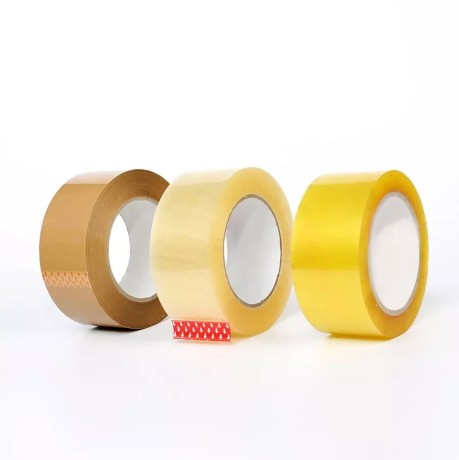
Is the tape for clear packing tape, brown tape, printed tape, or another format?
Will you slit only, or also print?
Is the target market focused on general packaging, e-commerce, distributors, or industrial users?
What level of clarity, color, or appearance matters to your customers?
These questions matter because a jumbo roll is not bought for itself. It is bought for what it will become after processing.
If your target output is a transparent finished product, a more specific product page can be added here for buyers who want to compare that option directly.
Width, Length, and Thickness Should Be Confirmed Early
One of the easiest ways to create confusion in jumbo roll orders is to discuss price before basic specifications are fully aligned.
Buyers should normally confirm:
This sounds basic, but it is often the point where avoidable back-and-forth begins. A supplier may quote one width and one thickness assumption, while the buyer is expecting another. The quotation then looks comparable on paper, but the materials are not truly equivalent.
For bulk orders, the more efficient approach is to define the conversion target first, then ask for the jumbo roll that fits that target.
Adhesive Type Affects Downstream Performance
In jumbo roll projects, adhesive choice affects more than final bonding. It can also affect converting behavior, finished roll feel, and customer acceptance in the destination market.
When Acrylic Jumbo Roll Is the Practical Choice
For many buyers, acrylic-based BOPP jumbo roll is the practical starting point when the target is general packaging tape, especially when stable routine performance and broad usability matter more than chasing one extreme performance feature.
Acrylic jumbo roll is often considered when buyers want:
regular carton sealing use
stable output for common packaging markets
a familiar specification for downstream converting
standard finished tape supply for distributors or wholesalers
If brown finished tape is one of the output goals, this is a suitable place to guide buyers toward the corresponding product page.
When Buyers Need to Review Other Adhesive Options More Carefully
Not every project should default to the same adhesive assumption.
If a buyer has a more specific downstream requirement — such as printing plans, stronger initial tack preference, or a target market with a different expectation around sealing feel — it is better to review that need before production instead of after the jumbo roll arrives.
The important point here is not to overcomplicate the purchase. It is to avoid vague language like “standard jumbo roll” when the final use actually has more specific requirements behind it.
Surface Appearance and Printing Plans Matter More Than Many Buyers Expect
Jumbo roll buyers often focus on dimensions and adhesive first, then think about appearance later. In many real orders, that sequence should be reversed or at least handled together.
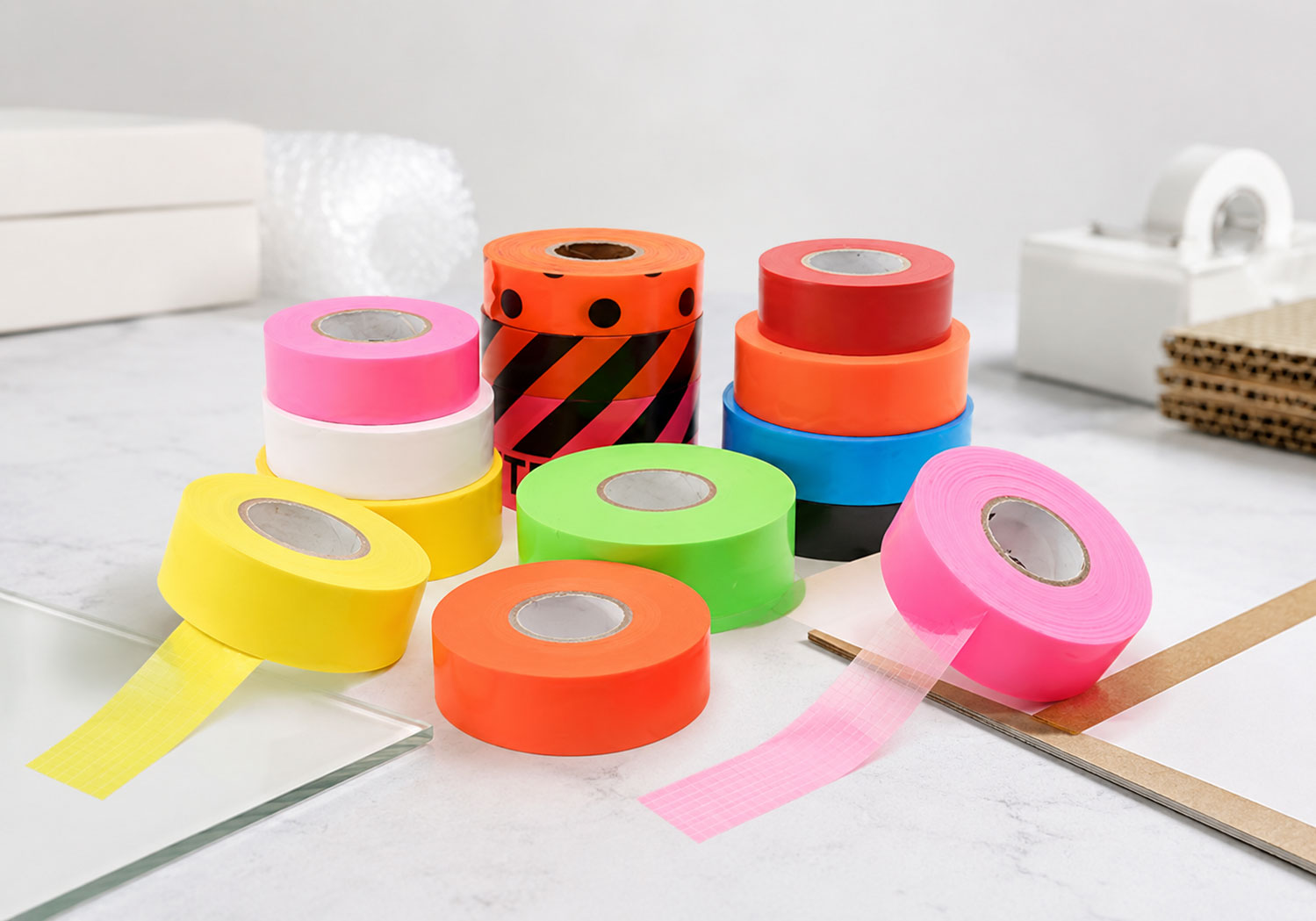
If you plan to produce:
then appearance, print suitability, and visual consistency matter much earlier in the buying process.
For example, a buyer planning to convert into warning or fragile tape should not wait until after order confirmation to think about printed output.
This is where a related printed jumbo roll page is useful.
If the buyer’s real goal is branded finished tape rather than plain tape, they should also review the customization route instead of treating it as a later add-on.
Quality Consistency Is More Important Than a Low First Quote
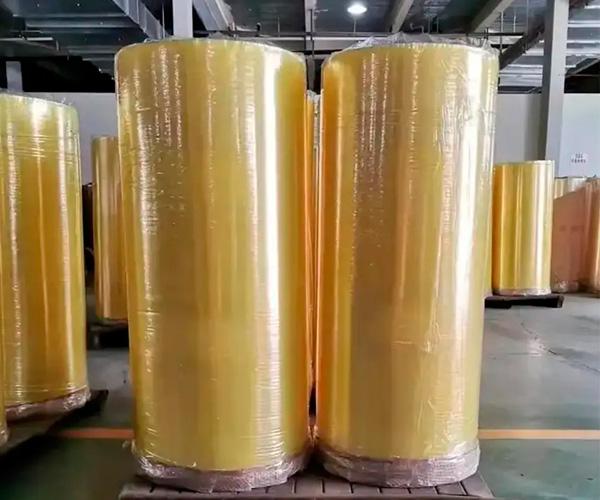
A low first quotation can be attractive, especially for buyers trying a new supplier. But jumbo roll projects are rarely judged only by the first shipment.
What matters more in repeat business is whether the supplier can keep quality stable across batches. If jumbo roll quality changes from one order to the next, the buyer may face:
rewinding instability
inconsistent finished roll appearance
more waste during processing
complaints from downstream customers
slower production planning
That is why jumbo roll sourcing should include questions about consistency, not only price.
For a buyer working with a BOPP jumbo roll manufacturer, the useful question is not just “What is your best price?” but also “Can you keep the same structure and output quality when I reorder?”
Jumbo Roll Inquiry Checklist for Buyers
If you want faster and more accurate quotations, it helps to standardize the inquiry.
Before sending your request, confirm these items:
intended finished tape type
target roll width
target roll length
thickness range
clear, brown, or printed requirement
adhesive preference if known
rewinding or converting method
destination market
expected order quantity
packaging requirement
whether OEM or customized printing is needed
This kind of checklist reduces confusion and usually leads to better quotations.
As a China-based supplier focusing on adhesive tapes and films for overseas buyers, RUNHU can communicate more efficiently when the inquiry is based on target finished output instead of broad product wording only.
Common Mistakes When Ordering BOPP Jumbo Roll Tape
Several mistakes appear repeatedly in jumbo roll orders.
1. Treating jumbo roll like finished tape
A jumbo roll should be evaluated based on downstream converting needs, not only end-use description.
2. Confirming price before conversion target
Without a clear finished tape plan, the quotation comparison is often misleading.
3. Leaving thickness too vague
A small difference in structure can affect downstream result more than many buyers expect.
4. Forgetting printing or appearance requirements
Clear, brown, and printed projects should not be grouped together too casually.
5. Ignoring repeat-order consistency
A good first batch does not automatically mean a stable long-term supply.
6. Sending incomplete inquiries
The more incomplete the inquiry, the more likely the quote will need to be revised later.
These are common because jumbo roll looks simple. But in actual purchasing, it is closer to buying a converting material than buying a finished retail product.
Final Thoughts
BOPP adhesive tape jumbo roll is a practical bulk solution for buyers who slit, rewind, print, or convert tape for their own markets. But the value of the order depends on more than basic price.
A better jumbo roll order starts with the finished tape target, then moves backward into width, length, thickness, adhesive type, appearance requirement, and consistency expectation. That usually leads to better production efficiency and fewer surprises after the shipment arrives.
If you are currently sourcing BOPP jumbo roll tape and want a quotation that actually matches your rewinding or converting plan, a clear requirement sheet is the best place to start.