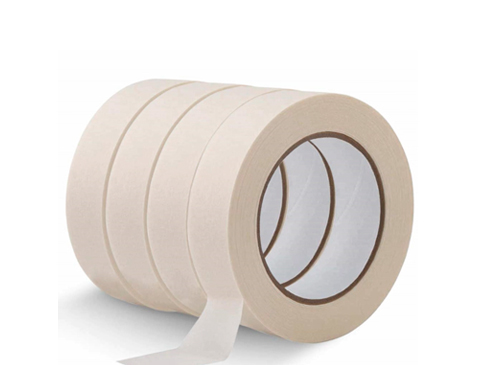
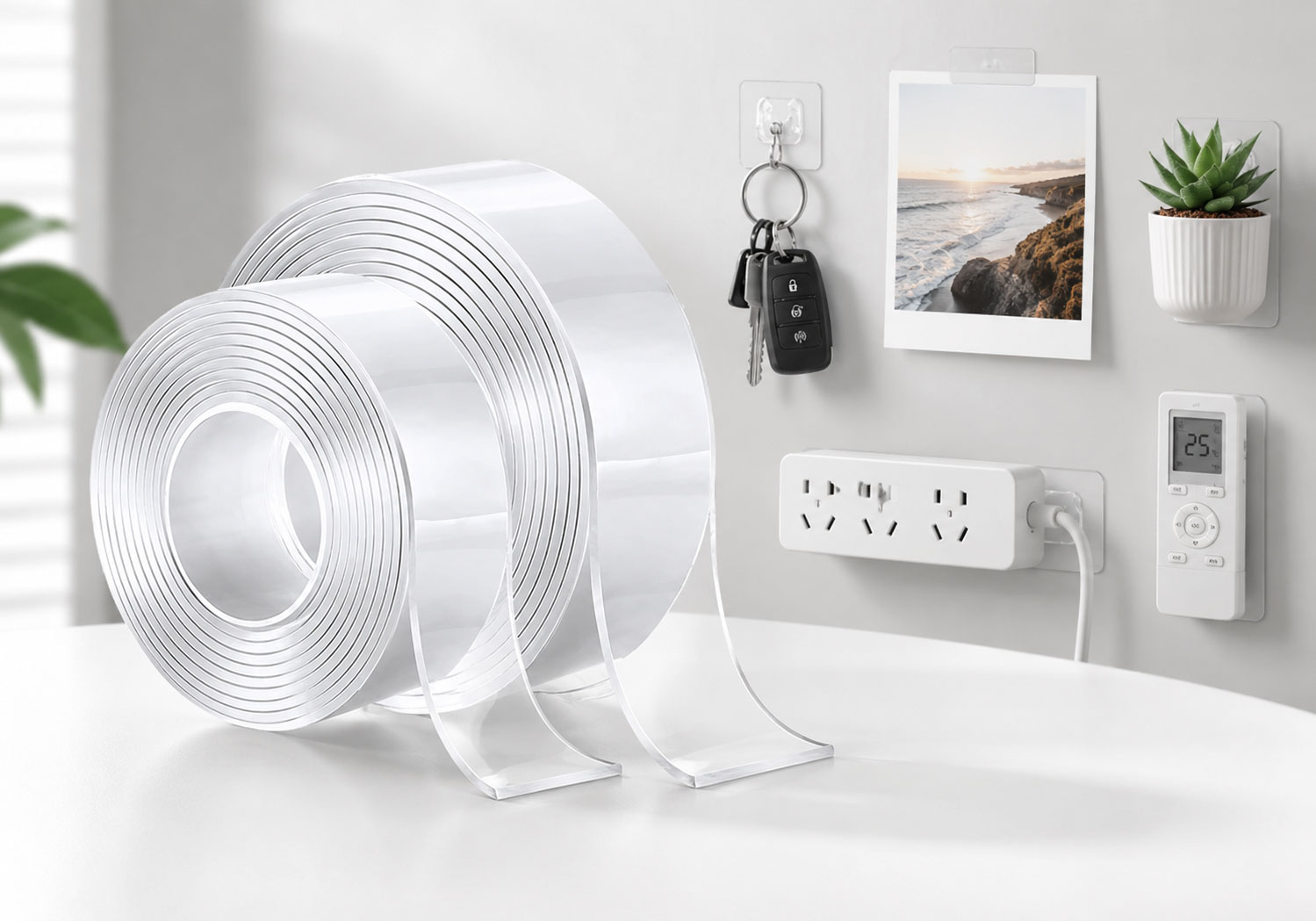
Adhesive transfer tape vs double sided tape is a common comparison for packaging, printing, electronics, signage, crafts, furniture, automotive trim and industrial assembly buyers. Both products bond two surfaces together, but their structure is different: adhesive transfer tape is adhesive-only on a release liner, while double sided tape usually has a carrier such as tissue, film, foam or cloth between two adhesive layers.
For buyers, the right choice depends on thickness, surface type, bonding strength, die-cutting needs, appearance, removability, temperature resistance and application method. Runhu provides Double Side Tape, Nano Tape and customized adhesive tape solutions for commercial, retail and industrial bonding applications.
What Is Adhesive Transfer Tape?
Adhesive transfer tape is an unsupported pressure-sensitive adhesive layer supplied on a release liner. After application, only the adhesive remains between the two bonded surfaces, making it suitable for ultra-thin, clean and hidden bonding.
The Pressure Sensitive Tape Council defines transfer tape as a pressure-sensitive adhesive without support applied to a two-side release-coated liner. This makes adhesive transfer tape different from double coated tape, which normally has a carrier layer. Buyers can refer to the PSTC definition of pressure sensitive adhesive tape for the basic structure of PSA tape products.
Because it has no carrier, adhesive transfer tape is useful when the bonding layer must be extremely thin. Typical applications include labels, membrane switches, nameplates, graphic overlays, envelopes, printing, electronic components and lamination. However, transfer tape is less suitable when the application needs gap filling, cushioning or strong dimensional support.
What Is Double Sided Tape?
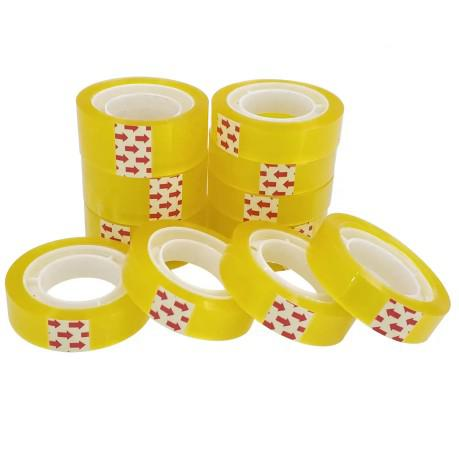
Double sided tape is a pressure-sensitive tape with adhesive on both sides, usually supported by a carrier such as tissue, film, foam, PET, PE or acrylic foam. The carrier gives the tape handling strength, thickness control, stability and sometimes cushioning.
Runhu’s double sided tape range is designed for smooth, invisible bonding on paper, fabric, glass, plastic and other materials. Its Use of Double Sided Tape guide explains that double sided tape is used in office work, packaging, signage, automotive decoration, electronics, crafts and industrial fixing.
Compared with adhesive transfer tape, double sided tape is easier to handle manually and more suitable for applications requiring thickness, stability or gap-filling ability. Foam double sided tape, for example, can help compensate for uneven surfaces, while tissue tape is thin and easy to tear for light-duty bonding.
Adhesive Transfer Tape vs Double Sided Tape Comparison Table
Adhesive transfer tape and double sided tape should be compared by structure, thickness, bonding surface, handling, die-cutting and application environment. The table below helps buyers select the right product quickly.
| Comparison Item | Adhesive Transfer Tape | Double Sided Tape |
|---|
| Structure | Adhesive-only on release liner | Adhesive + carrier + adhesive |
| Carrier Layer | No carrier | Tissue, film, foam, cloth or acrylic carrier |
| Thickness | Very thin bonding layer | Thin to thick, depending on carrier |
| Handling | Needs careful application | Easier to handle and position |
| Surface Fit | Best for smooth, flat surfaces | Better options for uneven or rough surfaces |
| Gap Filling | Poor | Good when using foam or thicker carrier |
| Die-Cutting | Excellent for labels and electronics | Good, depending on material |
| Appearance | Almost invisible bond line | Can be invisible or slightly thicker |
| Best Use | Labels, films, overlays, lamination | Mounting, crafts, packaging, signage, trims |
3M’s thin bonding tape guide classifies adhesive transfer tapes and double coated tapes as different thin bonding formats, with options for metal, plastics, labels, flexible printed circuits and high-temperature applications.
How to Choose Between Adhesive Transfer Tape and Double Sided Tape
Choosing between adhesive transfer tape and double sided tape means matching tape structure to the final bonding task. The key question is whether the application needs only adhesive thickness or also needs a carrier for strength, cushioning and handling.
Choose adhesive transfer tape when the bonding layer must be ultra-thin, clean and almost invisible. It is a good option for flat substrates, printed materials, nameplates, labels, thin plastic films and laminated components. It is also useful when converters need kiss-cut shapes supplied on release liners.
Choose double sided tape when the application needs easier manual handling, stronger dimensional support, better surface conformity or more thickness. Tissue double sided tape works well for paper, packaging and crafts. Foam tape works better for uneven surfaces, signage and light mounting. Acrylic or nano tape is more suitable for stronger bonding and demanding applications.
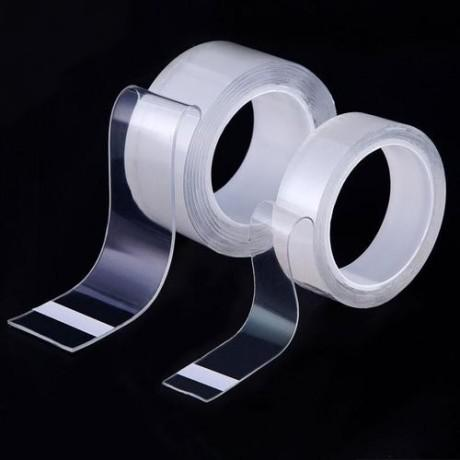
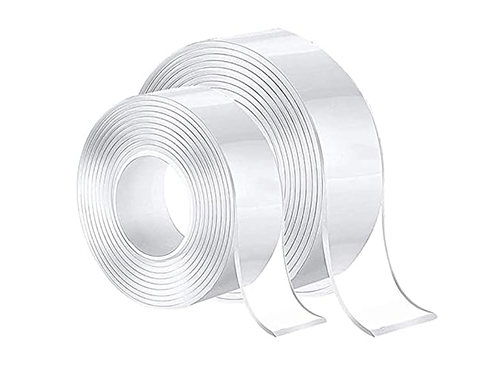
Runhu’s Nano Tape is described with double-sided adhesive structure, acrylic material, reusable transparent bonding and temperature resistance from -40°C to 200°C depending on product configuration. For buyers comparing higher-performance double sided solutions, this type of tape can be considered when stronger grip, waterproof performance and surface contact are required.
Testing is also important. ASTM D3330/D3330M is a recognized peel adhesion test method for pressure-sensitive tape, and it includes methods for evaluating tape adhesion and release liner behavior. For B2B buyers, peel adhesion, shear strength, tack, temperature resistance and aging performance should be confirmed before bulk purchase.
Buyer Checklist for Industrial and Wholesale Orders
A buyer checklist for adhesive tapes should include substrate type, bonding area, tape thickness, adhesive chemistry, liner type, roll size, die-cutting needs, temperature range and application method. This helps avoid choosing a tape that looks right but fails in real production.
For smooth films, labels or nameplates, adhesive transfer tape may deliver the cleanest result. For packaging, craft assembly, foam lamination, decorative panels, plastic bonding or retail mounting, double sided tape is often more practical. For wholesale buyers, roll width, length, core size, MOQ, packaging, sample testing and OEM/ODM customization should also be confirmed.
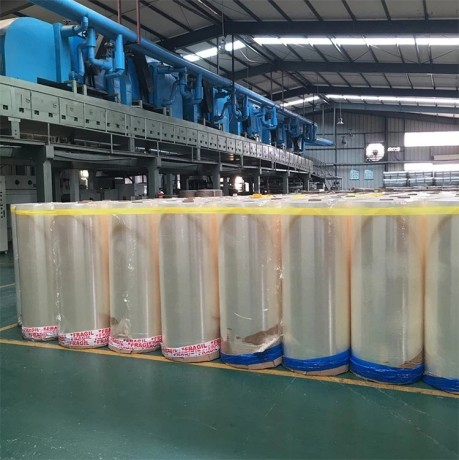
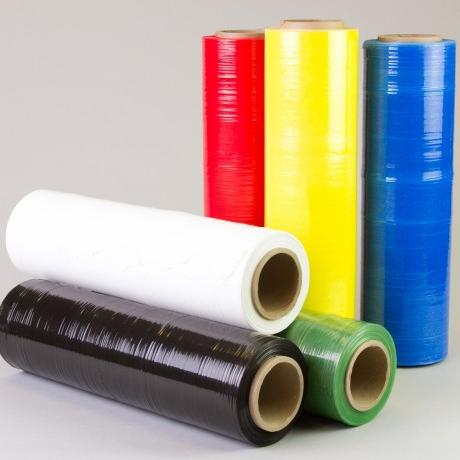
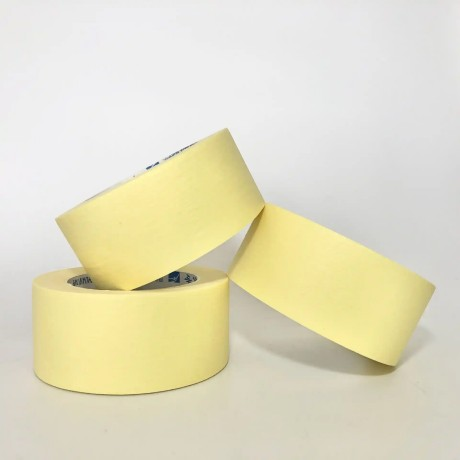
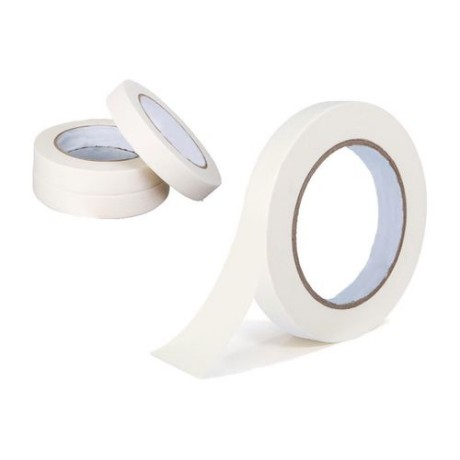
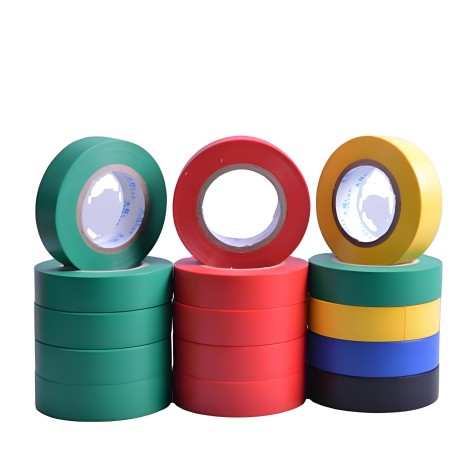
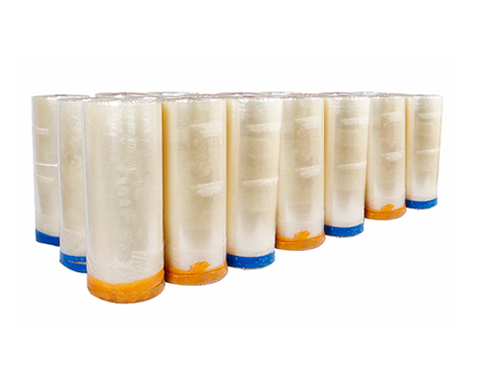
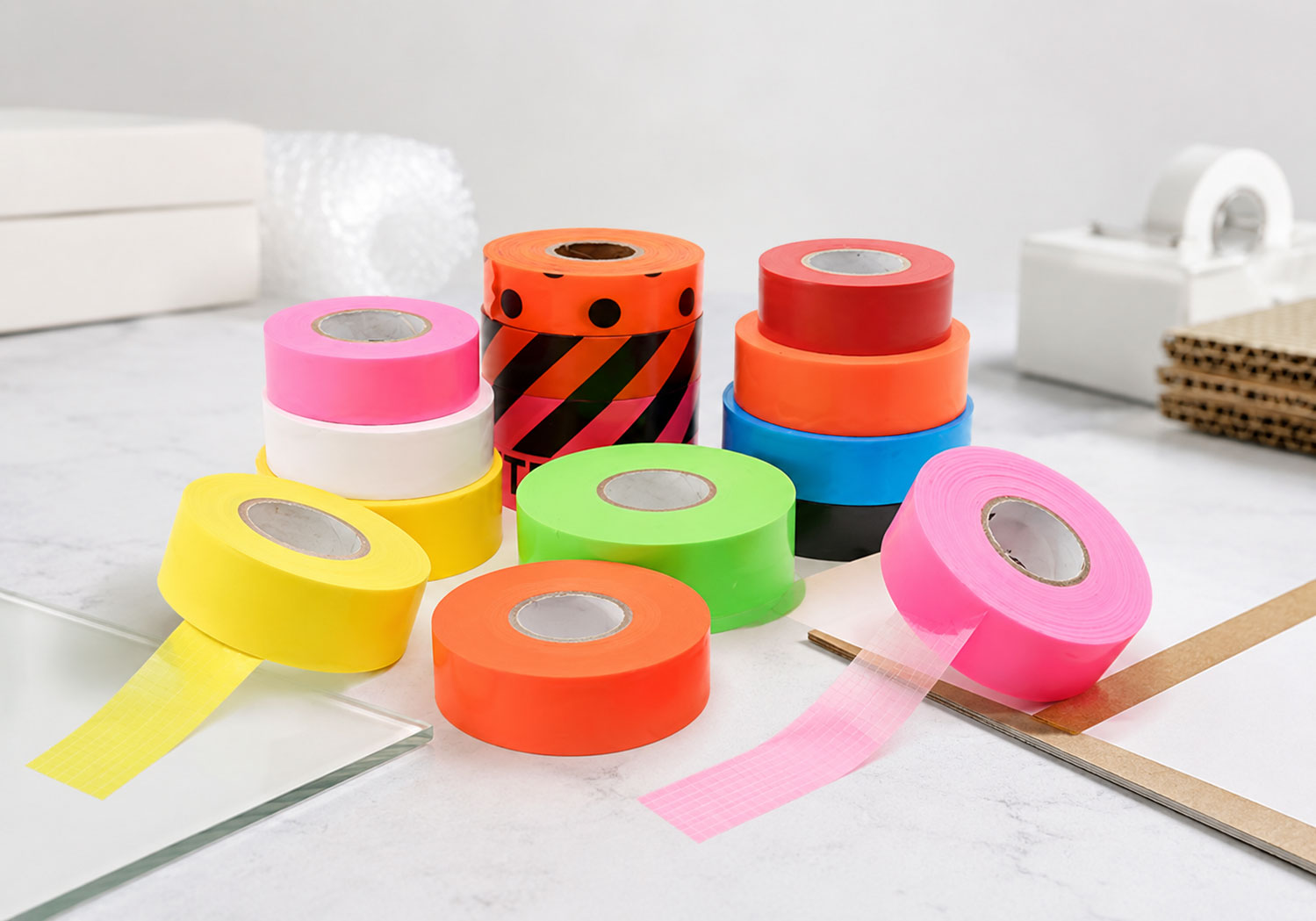
Runhu’s Adhesive Tapes include BOPP tape, packing tape, masking tape, double side tape, nano tape, PVC electrical tape, stretch film and related adhesive products. Runhu states that it has 25+ years of manufacturing experience, 4 coating lines, 11 slitting machines and 5 cutting machines, supporting custom tape production for global buyers.
Conclusion
The main difference between adhesive transfer tape and double sided tape is the carrier. Adhesive transfer tape is adhesive-only and best for ultra-thin, smooth and hidden bonding. Double sided tape has adhesive on both sides of a carrier, making it easier to handle and more suitable for gap filling, mounting, packaging, signage and general bonding.
For industrial buyers, the best choice depends on substrate, thickness, load, surface texture, temperature, appearance and production process. Runhu provides double sided tape, nano tape and custom adhesive tape solutions to help packaging companies, distributors, converters and manufacturers choose the right bonding product for real applications.
FAQ
1. What is the main difference between adhesive transfer tape and double sided tape?
Adhesive transfer tape has only adhesive on a release liner, while double sided tape usually has a carrier layer coated with adhesive on both sides.
2. Is adhesive transfer tape the same as double sided tape?
It is a type of double-sided bonding product, but it is not the same as carrier-based double sided tape. Transfer tape has no tissue, film or foam carrier.
3. When should I use adhesive transfer tape?
Use adhesive transfer tape for ultra-thin bonding, labels, graphics, overlays, nameplates, films, lamination and applications where carrier thickness is not desired.
4. When should I use double sided tape?
Use double sided tape for mounting, crafts, packaging, signage, trim attachment, foam lamination, furniture decoration and applications needing better handling or thickness.
5. Which tape is better for uneven surfaces?
Double sided foam tape or thicker acrylic tape is usually better for uneven surfaces because it can fill gaps better than adhesive transfer tape.
6. Why choose Runhu double sided tape solutions?
Runhu provides double side tape, nano tape and customized adhesive tape solutions for packaging, retail, industrial bonding, signage, crafts and OEM/ODM wholesale applications.