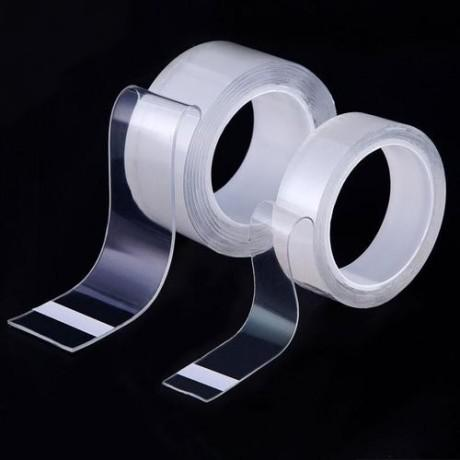
When it comes to demanding projects, ordinary adhesives are not always enough. That's why many professionals and DIY enthusiasts turn to double adhesive tape for a reliable, mess-free solution. From mounting wall panels to assembling industrial components, heavy-duty tapes provide strength without drilling or welding. But with so many options available, how do you select the right one? This guide explores the essential factors to consider when using double sided tape for heavy-duty applications.
Adhesive Strength and Surface Compatibility
The first factor to evaluate is adhesive strength. Heavy-duty double adhesive tape must provide long-lasting bonding power across a variety of surfaces. Whether you're working with glass, metal, plastic, or painted walls, ensure the tape is designed for that material.
The use of double sided tape is versatile, but the right match between adhesive and substrate determines success. Always check the product specifications before application.
Thickness and Load-Bearing Capacity
Not all tapes are created equal. The thickness of double adhesive tape impacts its ability to support heavy loads and absorb vibrations. Foam tapes are thicker and cushion impact, making them ideal for mounting mirrors, signage, or panels. Thin-film options, while discreet, may not hold as much weight but are perfect for electronics or precise assembly.
When using double sided tape for heavy-duty projects, always calculate the expected load. Choose a tape rated for higher capacity than your project demands to ensure safety and durability.
Resistance to Environment and Conditions
Heavy-duty projects often face exposure to heat, moisture, UV rays, or chemicals. That's why environmental resistance is critical when evaluating the use of double sided tape.
For outdoor use, pick tapes with weatherproof and UV-resistant properties.
In high-temperature environments, such as automotive or industrial machinery, heat-resistant adhesives are essential.
For wet conditions, look for waterproof tape formulations that maintain their hold even under pressure.
High-quality double adhesive tape designed for harsh environments will last significantly longer and reduce maintenance needs.
Application Convenience and Removal
Another key factor to consider is ease of use. One of the biggest advantages of using double sided tape is its convenience compared to liquid adhesives or mechanical fasteners. Look for tapes with:
Easy peel liners for quick application.
Residue-free removal if temporary bonding is required.
Flexible carrier material that adapts to curved or irregular surfaces.
These features make the use of double sided tape efficient not only for installation but also for future adjustments.
Final Thoughts
Heavy-duty double adhesive tape offers strength, durability, and versatility for both professional and home projects. By considering adhesive strength, thickness, environmental resistance, and ease of application, you can select the perfect tape for your needs. The right choice ensures secure bonding without the mess of glue or the hassle of drilling.
The next time you're evaluating bonding solutions, remember that using double sided tape isn't just about convenience—it's about performance and reliability. By focusing on these key features, you'll get the best results for any heavy-duty application.