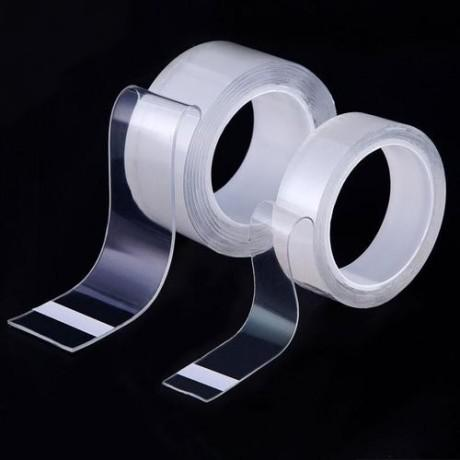
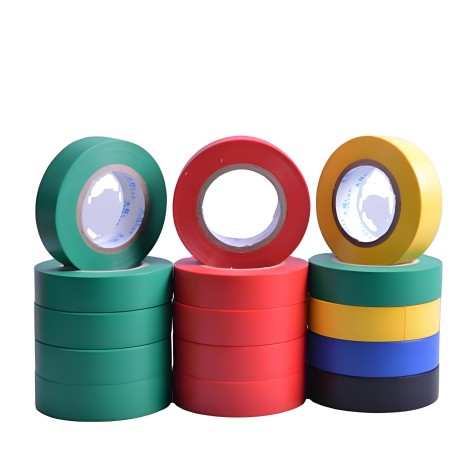
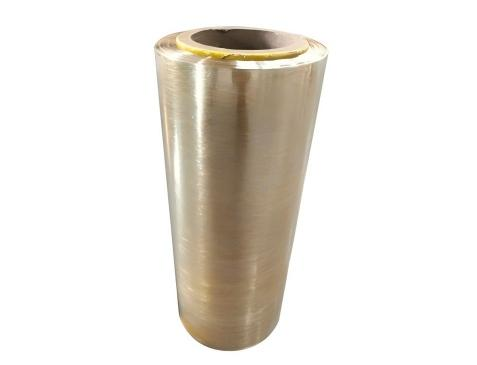
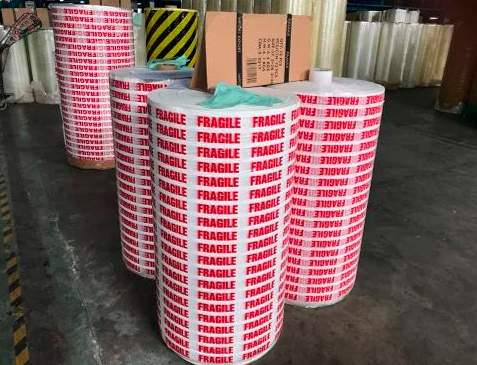
BOPP tape and BOPP jumbo roll are made from closely related pressure-sensitive adhesive materials, but they serve very different positions in the packaging supply chain. Finished BOPP tape is ready for carton sealing, while a jumbo roll is a large-format semi-finished material intended mainly for slitting, rewinding, printing, or further conversion.
For distributors, packaging factories, tape converters, and industrial users, understanding this difference matters because buying the wrong format can add unnecessary converting costs or reduce production flexibility.
Runhu supplies both finished BOPP tape and BOPP jumbo roll solutions, allowing buyers to match the material format to their own packaging or converting workflow.
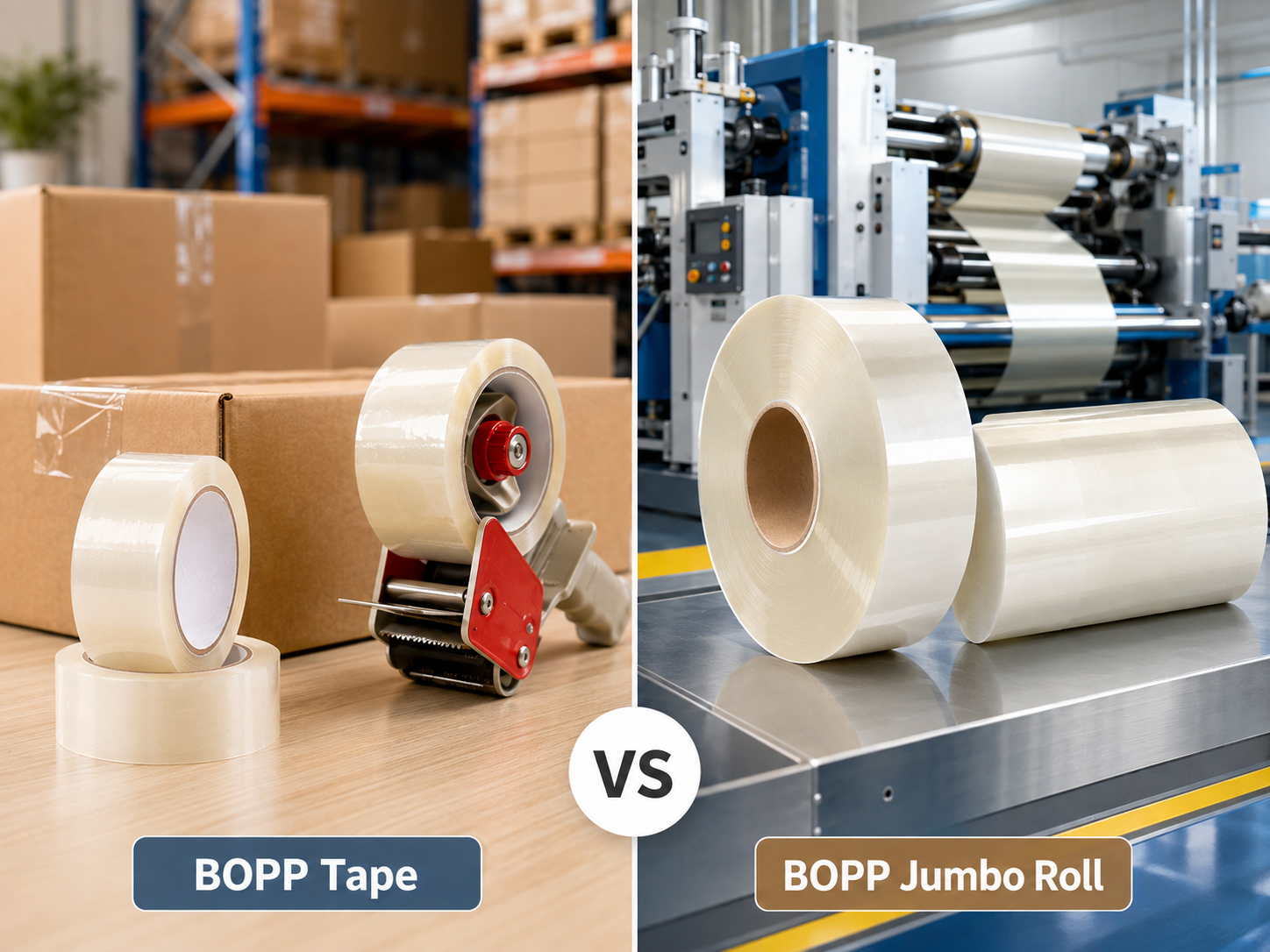
What Is the Difference Between BOPP Tape and BOPP Jumbo Roll?
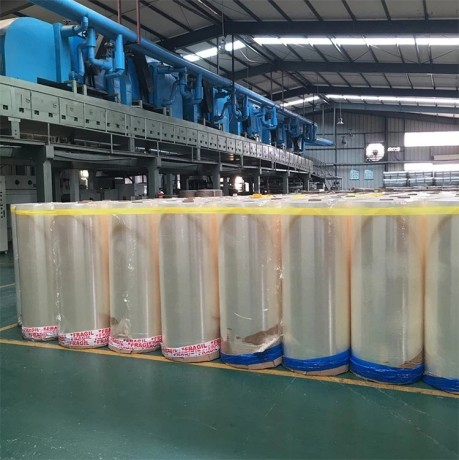
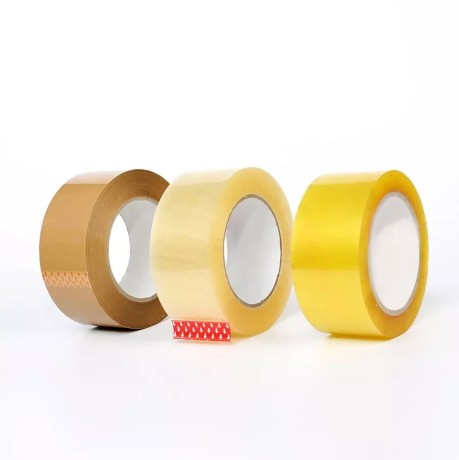
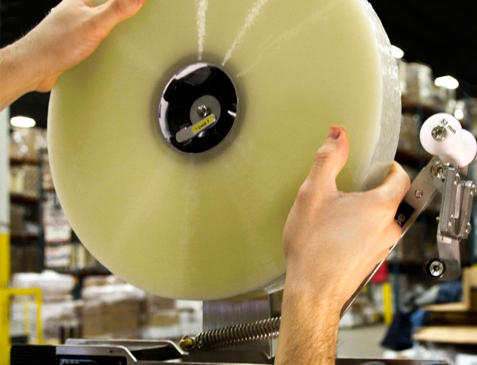
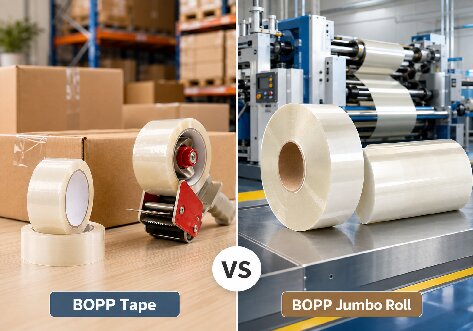
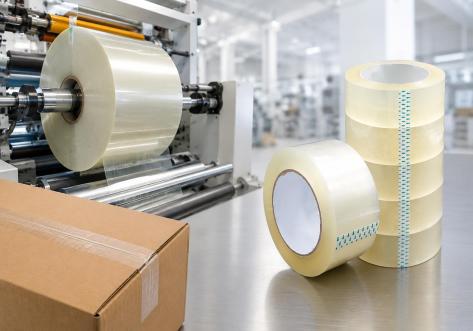
BOPP tape is a finished pressure-sensitive packaging tape ready for direct use, whereas a BOPP jumbo roll is a large coated roll designed to be converted into smaller finished rolls.
Both normally use biaxially oriented polypropylene film with a pressure-sensitive adhesive coating. The important difference is therefore not simply material composition but production stage, roll format, buyer type, and downstream processing requirement.
| Factor | Finished BOPP Tape | BOPP Jumbo Roll |
|---|
| Production stage | Finished product | Semi-finished converting material |
| Main user | Warehouses, factories, retailers | Tape converters and distributors |
| Further processing | Usually unnecessary | Slitting/rewinding required |
| Customization | Size, color, printing | Wider converting flexibility |
| Main purpose | Direct carton sealing | Production of multiple finished tape SKUs |
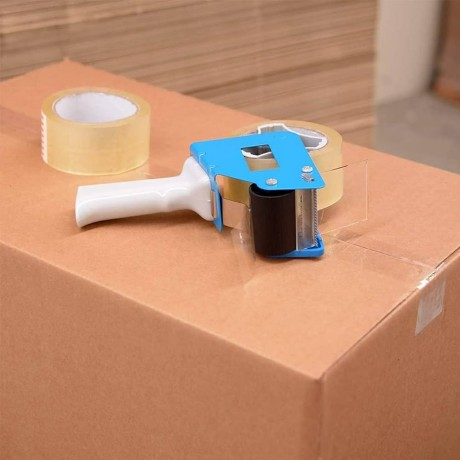
Finished BOPP adhesive tape is usually the more practical option when the customer wants a tape that can move directly into packing stations or carton-sealing operations.
A BOPP tape jumbo roll, by contrast, gives converters greater control over finished width, length, core configuration, and packaging. For example, if a converter works with a 1,280 mm-wide master roll and produces 48 mm tapes, the theoretical width allows about 26 lanes before edge trim and process allowances are considered.
That converting flexibility is the main commercial value of the jumbo-roll format.
When Does a BOPP Jumbo Roll Make More Sense?
A BOPP jumbo roll is most suitable when the buyer has converting capability and needs to manufacture several finished tape formats from one large-format material.
The decision should be based on the buyer's production model rather than simply comparing the unit price of the two formats.
A BOPP jumbo roll generally makes more sense when:
You operate slitting and rewinding equipment. In-house conversion allows one master material to support different finished widths and lengths.
You supply multiple markets or private-label customers. A jumbo format provides more flexibility for different specifications and packaging configurations.
Your volumes justify conversion. Higher throughput can make internal converting more economical than purchasing every finished SKU separately.
If the business does not have suitable converting machinery, finished tape is usually simpler. Warehouses, e-commerce fulfillment operations, manufacturers, and logistics companies can use finished packing tape immediately without adding a separate slitting process.
This distinction is important because a lower material cost does not automatically mean a lower total operating cost. Equipment investment, labor, trim waste, core preparation, packaging, maintenance, and quality inspection must all be included when comparing the two sourcing models.
How Do Quality Requirements Change from Jumbo Roll to Finished Tape?
Quality control for BOPP tape and BOPP jumbo roll uses many of the same performance principles, but jumbo-roll buyers must also consider how converting will affect the finished product.
For BOPP adhesive tape, adhesion, holding power, tensile properties, unwind behavior, thickness consistency, and roll appearance influence real packaging performance. These properties should be evaluated with defined test conditions rather than relying only on descriptions such as “strong adhesive.”
For example, the ASTM D3330 peel adhesion test includes methods for measuring pressure-sensitive tape adhesion at defined peel conditions, including 180° and 90° configurations.
Holding performance can also be evaluated using the ASTM D3654 shear adhesion method, which examines a pressure-sensitive tape's ability to remain adhered under a constant load.
Backing strength is another consideration, particularly when the tape will be subjected to tension during converting or application. The ASTM D3759 breaking strength and elongation test provides a standardized approach for evaluating tensile strength and elongation of pressure-sensitive tapes.
For a BOPP jumbo roll, consistent coating across the full web is particularly important because a defect in one area may affect multiple finished rolls after slitting. Edge condition, winding uniformity, web tension, and adhesive consistency therefore matter not only at the master-roll level but throughout downstream conversion.
Runhu controls the relationship between coated jumbo material and finished tape production so customers can choose the format that better matches their equipment, target specifications, and order structure.
Conclusion
BOPP tape and BOPP jumbo roll are not competing products so much as two different supply formats for different types of buyers. Finished BOPP tape is best suited to direct carton-sealing operations, while a BOPP tape jumbo roll is designed for converters that need flexibility in slitting, rewinding, and finished-product customization.
For buyers comparing the two, the key question is whether the business needs a ready-to-use packaging product or a large-format material for further processing.
Runhu provides both finished BOPP adhesive tape and jumbo-roll solutions, helping customers match tape format, converting capability, and packaging requirements more efficiently.
FAQ About BOPP Tape vs BOPP Jumbo Roll
These FAQs answer the most common practical questions buyers ask when deciding between finished BOPP tape and jumbo-roll material.
Is BOPP jumbo roll the same material as finished BOPP tape?
They can use the same basic BOPP film and adhesive system, but the jumbo roll is supplied in a large format for further conversion.
Who normally buys BOPP jumbo rolls?
Tape converters, distributors with converting facilities, private-label tape producers, and packaging manufacturers are common buyers.
Can a BOPP jumbo roll be used directly for carton sealing?
Generally no. It normally needs to be slit and rewound into practical finished roll dimensions first.
Why do converters choose BOPP tape jumbo roll products?
They provide flexibility to produce multiple tape widths, lengths, colors, or packaging formats from larger master material.
Is finished BOPP tape cheaper than buying jumbo rolls?
Not necessarily. The correct comparison should include converting equipment, labor, waste, cores, packaging, maintenance, and production volume.
Can Runhu supply both jumbo rolls and finished tape?
Yes. Runhu supplies both formats and can support different converting, packaging, and finished-tape requirements.