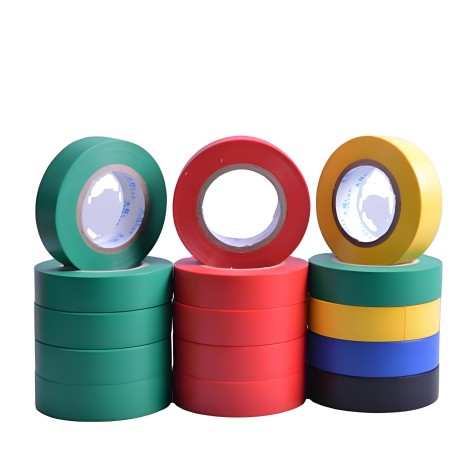
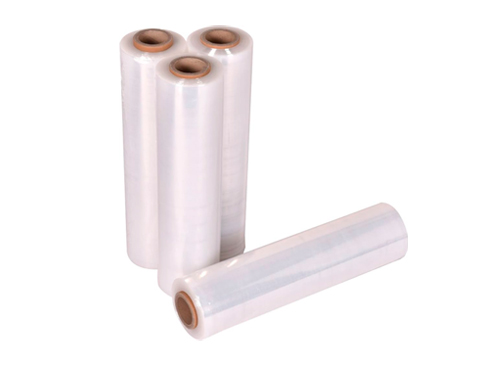
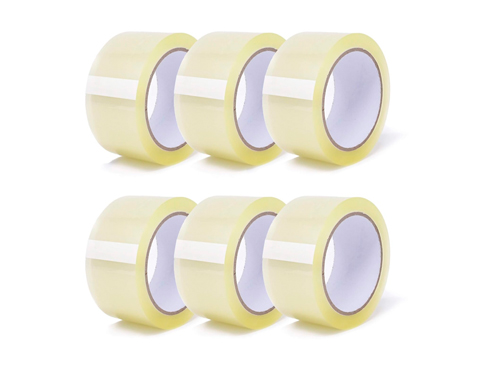
BOPP tape vs cello tape is a common comparison for buyers who need to choose between strong carton sealing tape and lightweight transparent tape for office, retail, or household applications. Although both tapes look clear and sticky, they are designed for different levels of strength, durability, and packaging performance.
For distributors, e-commerce sellers, packaging buyers, and stationery wholesalers, choosing the wrong tape can increase carton failure, product damage, repacking cost, or customer complaints. Runhu provides professional BOPP Tape, Packing Tape, and adhesive tape solutions for industrial, commercial, and retail packaging needs.
What Is BOPP Tape?
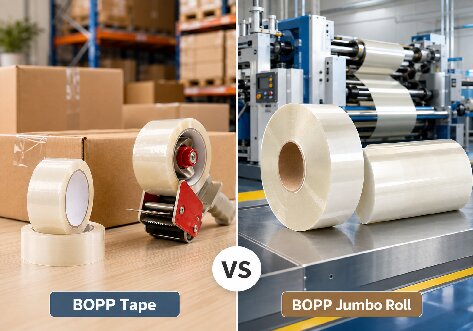
BOPP tape is a pressure-sensitive adhesive tape made with biaxially oriented polypropylene film as the backing material. The BOPP film is stretched in two directions, which improves tensile strength, clarity, dimensional stability, and resistance to tearing.
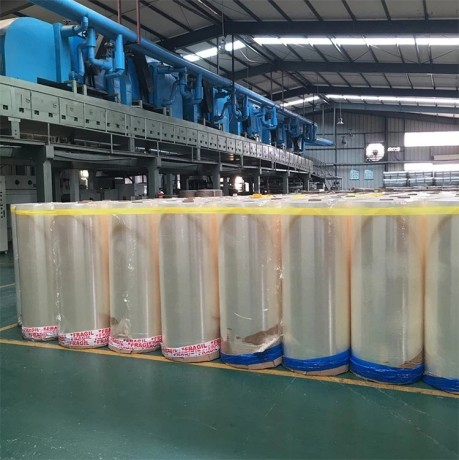
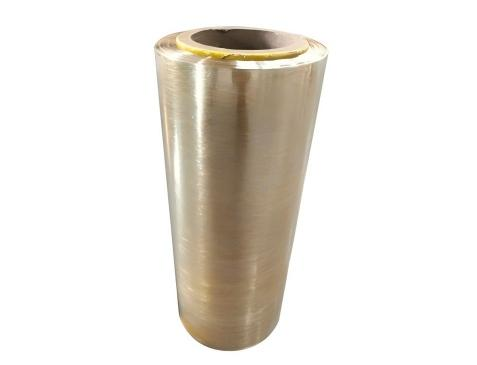
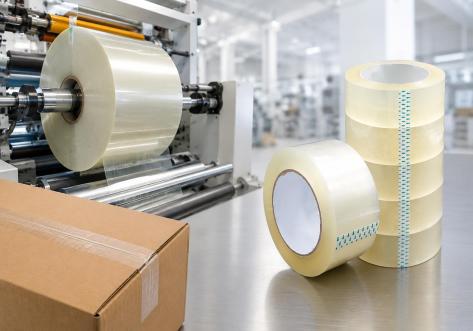
In packaging, BOPP tape is widely used for carton sealing, parcel packing, warehouse operations, logistics, e-commerce shipping, and automated packaging lines. Common widths include 45mm, 48mm, 50mm, and 72mm, while many carton sealing rolls are produced in 50m, 66m, 100m, or longer lengths. For converters and large-scale packaging plants, Runhu’s BOPP jumbo rolls can reach 4000–4500m, helping reduce roll-changing frequency and improve production efficiency.
BOPP tape is also recognized in packaging standards. The ASTM D5486 pressure-sensitive tape specification covers film, paper, and cloth pressure-sensitive tapes used for packaging, box closure, and sealing, including polypropylene-backed tape types.
What Is Cello Tape?
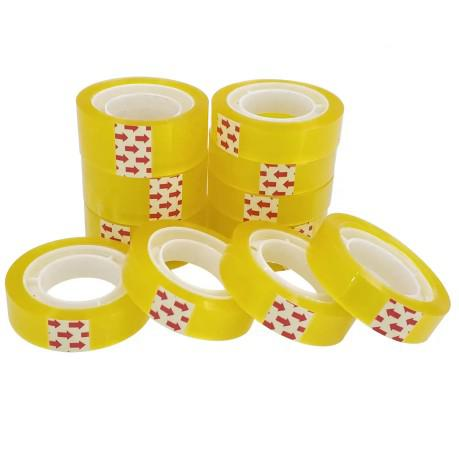
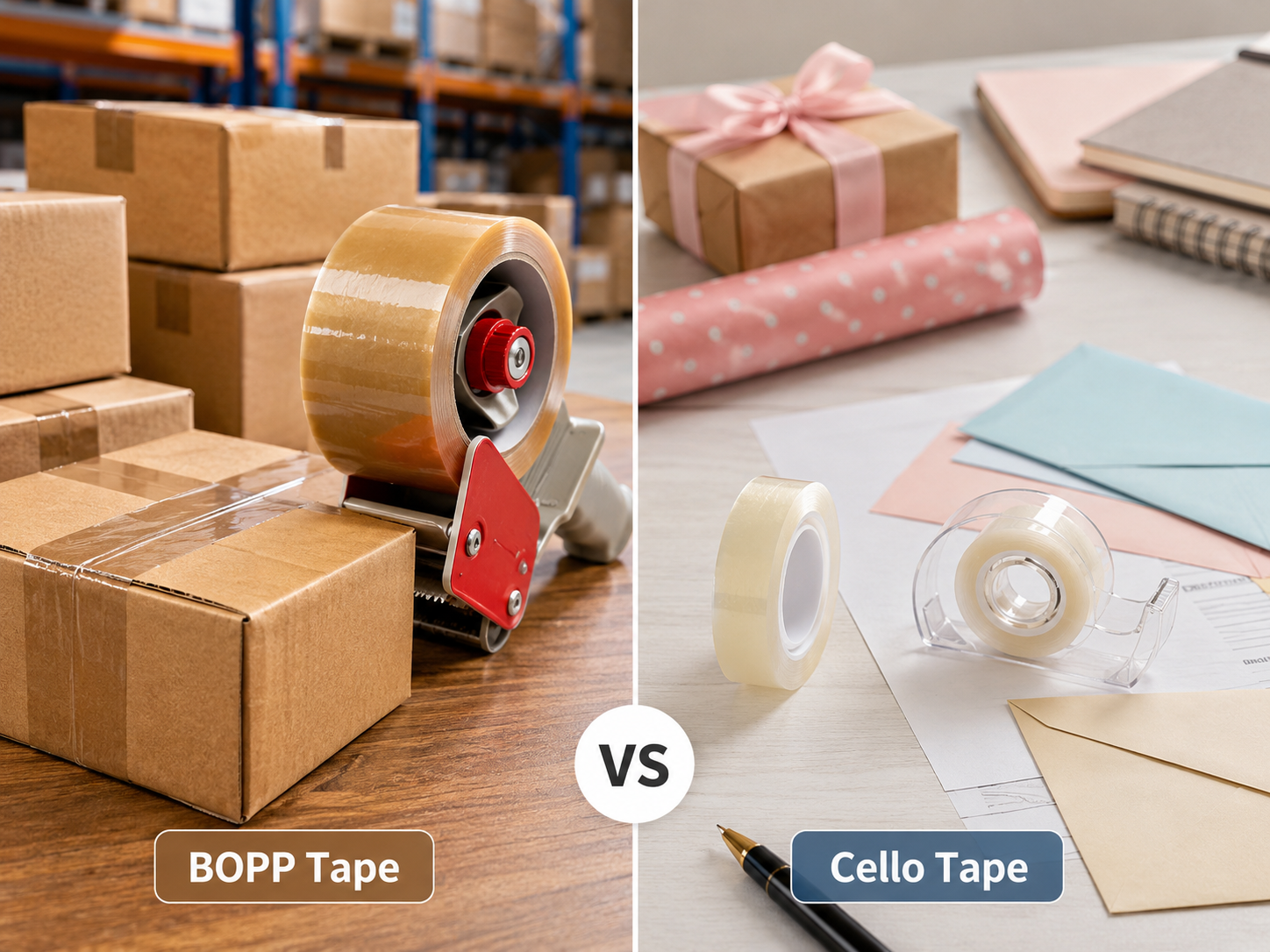
Cello tape is a lightweight transparent adhesive tape commonly used for paper mending, gift wrapping, envelope sealing, stationery, and general household tasks. Traditionally, the term comes from cellophane tape, although many modern “cello tape” products may use cellulose acetate, polypropylene, or other transparent film backings.
Cello tape is usually narrower, thinner, and easier to tear by hand than packaging tape. It is designed for convenience and neat appearance rather than heavy-duty sealing. The pressure-sensitive tape materials and history show how transparent tape evolved from cellophane backings to cellulose acetate and synthetic adhesive systems.
For office, school, retail counter, and household use, cello tape is practical because it is clear, compact, and easy to apply with a small dispenser. However, it is not the best choice for sealing shipping cartons, especially when boxes are heavy, exposed to humidity, or handled multiple times in transit.
BOPP Tape vs Cello Tape: Comparison Table
BOPP tape vs cello tape should be compared by material strength, adhesive performance, application environment, roll size, and expected load. The table below gives a practical buying comparison.
| Comparison Item | BOPP Tape | Cello Tape |
|---|
| Main Material | Biaxially oriented polypropylene film | Cellophane, cellulose acetate, or transparent plastic film |
| Main Use | Carton sealing, shipping, logistics, packaging | Paper repair, gift wrapping, stationery, light sealing |
| Strength | Higher tensile and tear resistance | Lower strength, easier to tear |
| Common Width | 45mm, 48mm, 50mm, 72mm | Often around 12mm–24mm |
| Roll Length | 50m, 66m, 100m, 1000m, jumbo rolls up to 4000m+ | Usually shorter office-size rolls |
| Adhesion Demand | Strong bonding on cartons and parcels | Light adhesion on paper and small items |
| Best Buyer | E-commerce, warehouses, factories, tape distributors | Offices, schools, retail counters, households |
| Cost Logic | Lower unit cost for bulk packing | Low small-roll cost but not efficient for shipping |
For export cartons and logistics packages, BOPP tape is usually the better choice because it provides stronger holding power and better resistance to handling stress. For gift wrapping and document use, cello tape is more convenient because it is smaller, cleaner, and easier to cut.
How to Choose Between BOPP Tape and Cello Tape
Choosing between BOPP tape and cello tape means matching the tape to the weight, surface, environment, application method, and presentation requirement. A tape used for sealing a corrugated carton should not be judged by the same standard as a tape used for wrapping a small gift box.
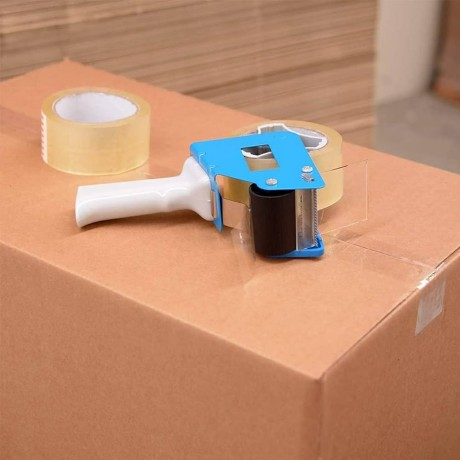
If the package is a carton, parcel, pallet box, or export shipment, choose BOPP tape or professional packing tape. For warehouse and e-commerce operations, Runhu’s Packing Tape is designed for secure sealing under shipping and storage conditions. For high-volume carton sealing, machine-use BOPP packing tape is more suitable because it can work with dispensers and automated sealing equipment.
If the task involves office documents, envelopes, classroom projects, retail display, or gift wrapping, cello tape is enough. It is easier to handle and gives a clean transparent finish on paper-based surfaces.
For shipping cartons, buyers should also consider recognized packaging practices. The ASTM D1974 carton sealing practice describes methods for closing, sealing, and reinforcing solid and corrugated fiberboard shipping boxes, which is especially relevant for industrial packaging and export supply chains.
Why Buy BOPP Tape from Runhu?
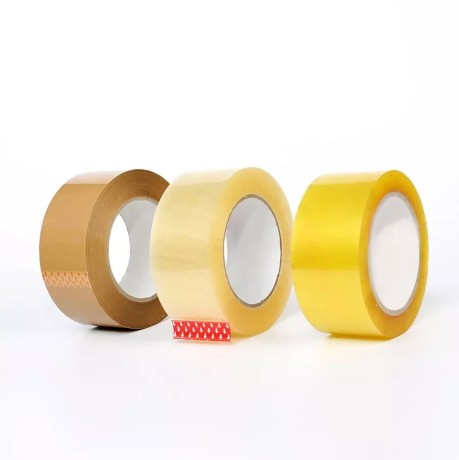
Runhu is an adhesive tape and packaging material manufacturer offering BOPP tape, BOPP jumbo roll, packing tape, stretch film, masking tape, double-sided tape, and other adhesive solutions. For buyers who need stable quality and bulk supply, Runhu provides clear tape, brown tape, custom printed tape, machine-use packing tape, and BOPP Jumbo Roll options for converting and industrial packaging.
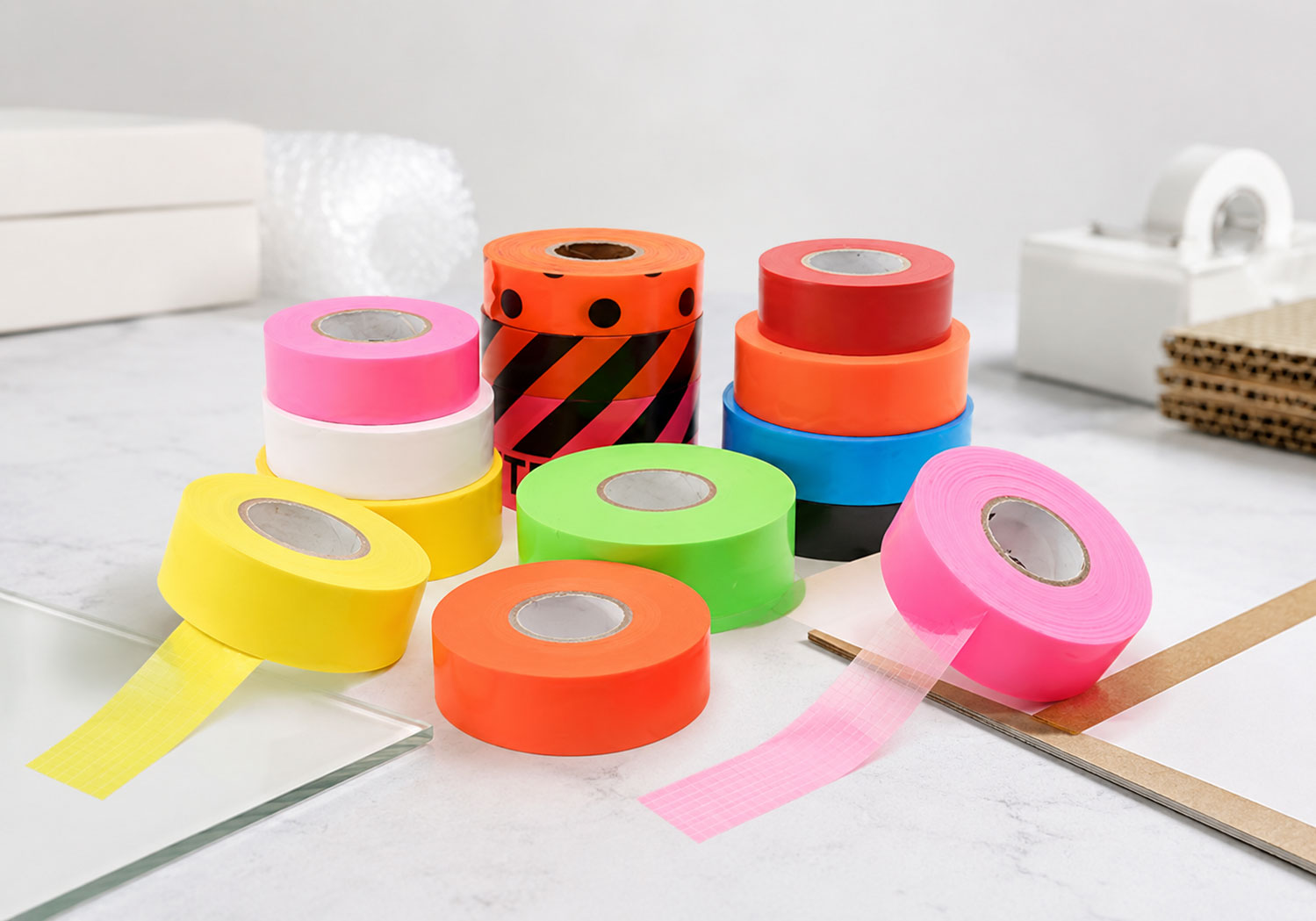
Runhu’s BOPP tape solutions are suitable for cartons, parcels, warehouse packing, e-commerce delivery, retail distribution, and manufacturing lines. Buyers can choose width, length, color, printing, core size, adhesive type, and packaging format according to market needs.
Conclusion
BOPP tape and cello tape are both transparent adhesive tapes, but they are not interchangeable for professional packaging. BOPP tape is the better choice for carton sealing, shipping, warehouse use, and bulk packaging because it offers stronger film structure, better holding power, and more industrial roll options. Cello tape is better for stationery, paper repair, retail counters, and light daily applications.
For businesses that need reliable carton sealing, customized packaging, or wholesale adhesive tape supply, Runhu provides BOPP tape, packing tape, and jumbo roll solutions designed for different packaging workflows and buyer requirements.
FAQ
1. Is BOPP tape the same as cello tape?
No. BOPP tape is made from biaxially oriented polypropylene film and is mainly used for carton sealing and packaging. Cello tape is a lighter transparent tape used for stationery, gift wrapping, and paper repair.
2. Which tape is stronger, BOPP tape or cello tape?
BOPP tape is stronger because its polypropylene film backing has higher tensile strength and better resistance to tearing during shipping and handling.
3. Can cello tape be used for packaging?
Cello tape can seal small lightweight items, but it is not recommended for shipping cartons or heavy parcels. BOPP packing tape is more suitable for logistics packaging.
4. What is the common size of BOPP packing tape?
Common BOPP packing tape widths include 45mm, 48mm, 50mm, and 72mm. Common roll lengths include 50m, 66m, 100m, and longer machine-use rolls.
5. Is BOPP tape suitable for automatic carton sealing machines?
Yes. Machine-use BOPP packing tape can be designed for dispensers and automatic carton sealing machines, especially in warehouses, factories, and e-commerce packing lines.
6. Why choose Runhu for BOPP tape supply?
Runhu offers BOPP tape, packing tape, BOPP jumbo roll, custom printed tape, and other adhesive solutions with options for width, length, color, printing, adhesive type, and bulk supply.