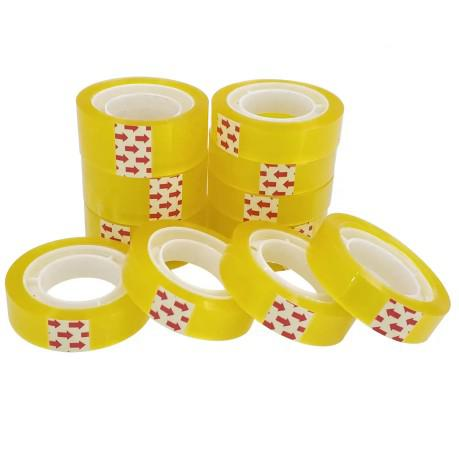
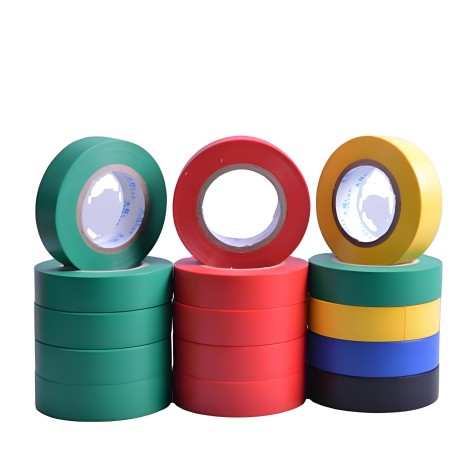
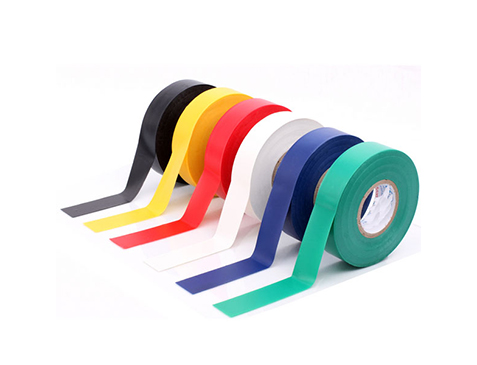
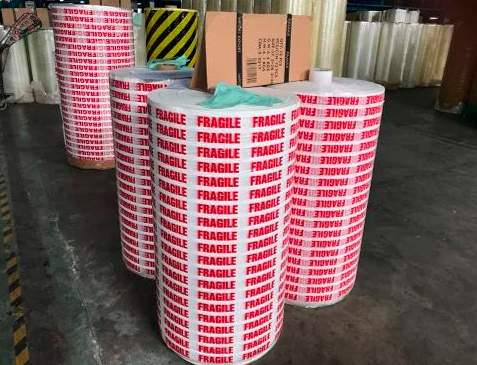
Packing tape is an essential tool in the shipping industry, serving a variety of functions that ensure the safe and efficient delivery of packages. From securing boxes to protecting items from environmental damage, the right kind of tape can make all the difference in package integrity. Whether it's clear shipping tape, brown packaging tape, or specialty options like custom printed packing tape, each type has its specific applications and benefits. This article covers the comprehensive uses of packing tape, from the basic sealing techniques to the nuances of material composition, secure packaging benefits, and common mistakes to avoid. Additionally, understanding the proper storage and handling of packing tapes maximizes their effectiveness and longevity in everyday shipping tasks.
Basic Sealing Techniques
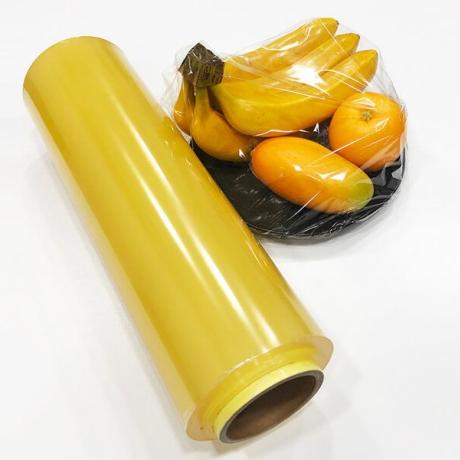
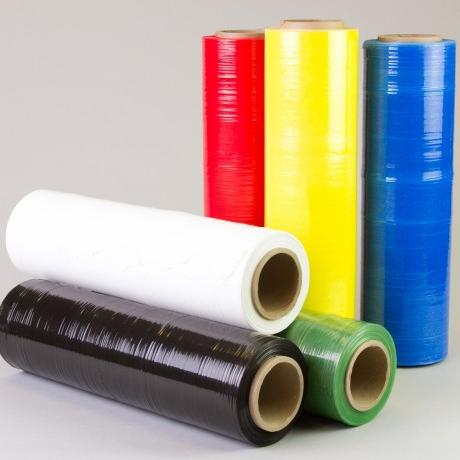
Effective sealing is fundamental in shipping to prevent tampering and protect the contents. One of the popular techniques involves the double back tape method, which enhances sealing by providing an extra adhesive layer for better sealing power. For larger packages, using machine stretch wrap or cling film wrap can help secure goods without damaging packaging.
Here is a comparison of some basic techniques using different types of packing tapes:
Material Composition Explained
The composition of packing tape varies substantially depending on the intended use. Industrial films and adhesive types like hot melt adhesive tape or acrylic adhesive tape provide different advantages, such as tensile strength or environmental resistance. Here's a breakdown of common materials and their characteristics:
| Material | Properties | Application |
|---|
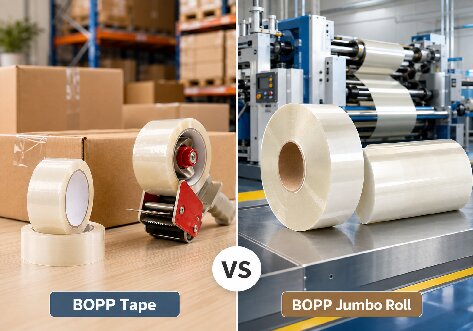
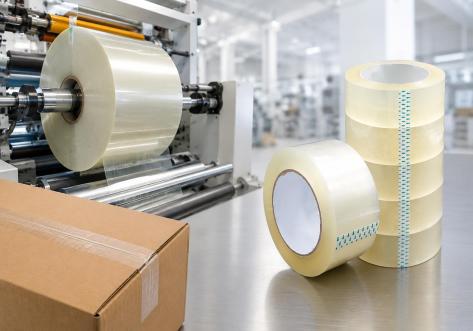
| Polypropylene (BOPP) | High strength, clear finish | Clear packing tape, general sealing |
| PVC | Durable, weather-resistant | Electrical insulation tape, construction tape |
| Rubber Adhesive | Flexibility, stickiness | Cling wrap plastic wrap, food packaging |
Benefits for Secure Packaging
Using the correct packing tape ensures secure packaging, protecting shipments from external elements and tampering. For example, branded packing tape can act as a deterrent against theft while enhancing brand visibility. Furthermore, custom packaging tape with logo reinforces brand messaging and improves customer experience with personalized touches.
Here are some benefits and their functional extensions:
Enhanced Security: Custom logo packing tape customizes the seal, making tampering noticeable.
Longevity in Storage: Brown paper packing tape offers a moisture-resistant seal meant for long-term storage.
Brand Promotion: Printed packing tape supports marketing initiatives directly through packaging.
Common Mistakes to Avoid
Despite its apparent simplicity, packing tape can be misused, leading to ineffective packaging and increased costs. One significant mistake is choosing the wrong tape type for specific needs, such as not utilizing electrical tape where general purpose masking tape is required for labeling and non-adhesive tasks.
Other typical errors include:
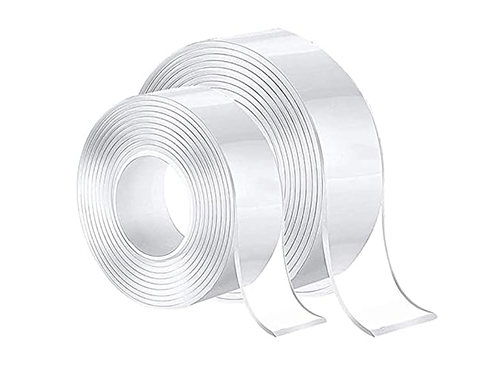
Incorrect Application: Not employing double sided gel tape correctly for sealing boxes, reducing adhesive efficiency.
Lack of Customs Considerations: Improperly using bulk packing tape without consideration for international shipping standards.
Environmental Misjudgment: Ignoring weather conditions when selecting clear packing tape, resulting in adverse effects.
Storage and Handling Tips
Proper storage and handling of packing tape is crucial to maintain its adhesive quality and usability. Tapes should be stored in a cool, dry place to prevent degradation of the adhesive. For bulk masking tape, ensure that it is kept upright to prevent warping or crushing which could lead to adhesion loss.
Handling tips include:
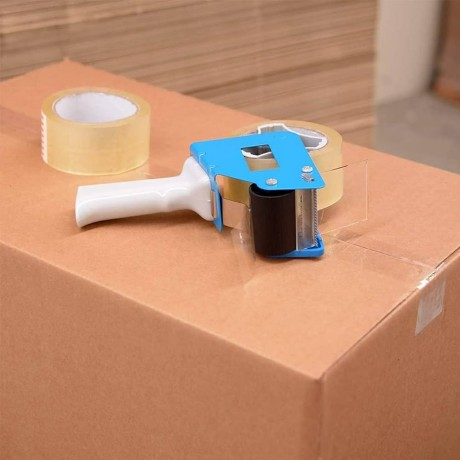
Regularly check the condition of tape dispensers to avoid uneven cutting.
Allow tape to acclimate to room temperature if stored in cold environments before use.
Always cut tape cleanly with scissors to maintain adhesive edge integrity.
Following these guidelines will not only prolong the life of your packing tape but also improve the efficiency of your packaging process.
Conclusion
Packing tape plays a vital role in ensuring the safe transit and integrity of shipped goods. By understanding the different types of tapes, their material compositions, and the appropriate techniques for their use, shippers can elevate their shipping standards and avoid common pitfalls. As demand for personalized packaging tape and custom printed adhesive tape continues to grow, integrating these advanced solutions can further bolster security and enhance brand recognition. Whether you are a small business or a large manufacturer, optimizing your use of packing tape is fundamental to maintaining efficiency and reliability in your shipping operations.