How to Choose the Right BOPP Tape for Carton Sealing Orders
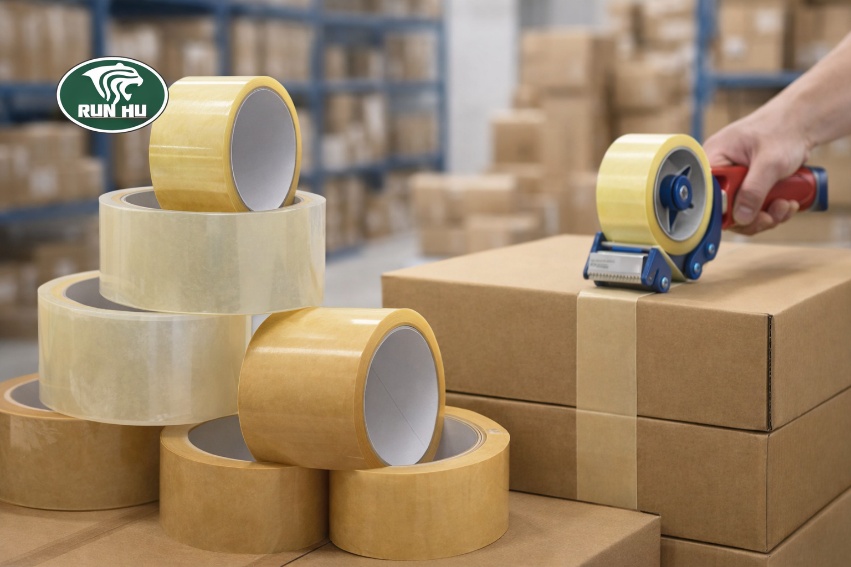
If you buy BOPP tape for carton sealing on a regular basis, you have probably seen the same problem more than once: the tape looks acceptable when the carton is sealed, but the real issue appears later. The carton stays in storage for a few days, gets stacked under pressure, moves through loading and unloading, or travels through changing temperatures, and then the seal starts to lift, split, or lose confidence.
That is why choosing the right BOPP tape is not just a purchasing issue. It is a packaging reliability decision. For importers, distributors, and packaging buyers, the question is not simply whether BOPP tape is widely used for carton sealing. It is. The more useful question is whether the specification you are buying actually fits your cartons, your sealing process, and your shipping conditions.
BOPP tape remains one of the most practical sealing materials for regular carton packaging because it offers a good balance of cost, tensile strength, and production efficiency. But in real orders, performance depends less on the name of the product and more on whether the film, adhesive, thickness, and application method have been matched correctly.
Why the Wrong BOPP Tape Usually Fails After Packing, Not During Packing
One reason buyers underestimate tape selection is that poor tape does not always fail immediately.
A sample may look acceptable on day one. The seal line appears flat, the carton closes properly, and the tape seems to hold. But actual logistics conditions are different from a quick sample check. Cartons may face stacking pressure, dusty warehouse conditions, rough carton surfaces, long container transit, or repeated handling at multiple points.
This is why BOPP tape should be evaluated in the context of the full packaging process, not just the sealing moment.
For buyers handling export shipments, this matters even more. A minor sealing issue in a local warehouse can turn into a damaged packaging claim after long-distance transport. The tape itself may be low-cost, but the packaging consequence is not.
Start with the Carton, Not the Tape Price
A common mistake in bulk tape buying is starting with the quotation sheet before understanding the carton.
A better starting point is to confirm these questions:
What is the carton weight range?
Is the board quality stable or inconsistent?
Is the carton made from virgin board or recycled board?
Is the surface smooth, dusty, rough, or slightly moist?
Will the cartons be used for domestic logistics, export shipment, or long storage?
Is the sealing mainly for light-duty, medium-duty, or heavy-duty packaging?
These questions matter because BOPP tape does not perform the same way on every carton. A tape that works well on clean, light cartons may not be enough for heavier export boxes or recycled cartons with a rougher surface.
If you want to compare your regular options first, it makes sense to guide readers to your standard product range here.
For many buyers, the first useful decision is not which supplier is cheapest, but which tape range is actually suitable for the carton condition they handle every day.
Adhesive Type Matters More Than Many Buyers Expect
Many buyers first ask about width, length, and price. In practice, adhesive type often affects sealing performance more directly.
When Water-Based Acrylic BOPP Tape Makes Sense
Water-based acrylic BOPP tape is commonly used for general carton sealing where buyers want balanced performance, clean appearance, and stable daily use.
It is often suitable for:
regular warehouse packing
light to medium carton loads
relatively clean carton surfaces
buyers who prioritize consistent routine sealing
In these cases, acrylic tape can be a practical and economical choice, especially when the cartons are not exposed to unusually demanding handling conditions.
When Hot Melt BOPP Tape Is the Better Choice
Hot melt BOPP tape is often a better fit when stronger initial tack is needed, especially for faster operations or more demanding packaging conditions.
It is often considered for:
This does not mean hot melt is always the better choice. It means the buyer should compare adhesive type against actual use conditions rather than assume all BOPP tape performs the same way.
If your customers often deal with heavier cartons or faster sealing lines, this is the right point to move them to the more specific product page.
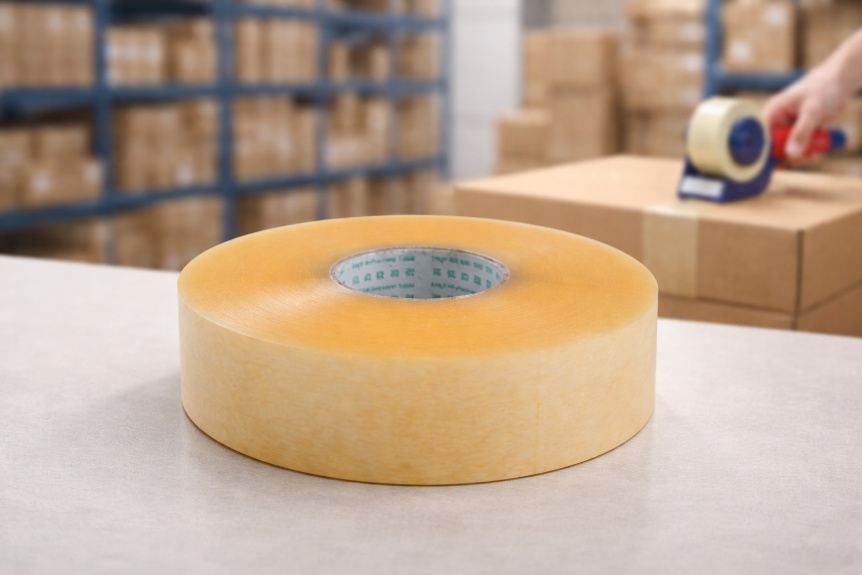
Thickness Should Match Carton Weight and Handling Risk
Another frequent problem in tape sourcing is judging value only by unit price without checking the actual tape build.
When buyers compare offers, they should usually confirm:
A thinner tape may reduce cost on paper, but if it does not match the carton load or the logistics risk, the final result may be more complaints, more resealing, and weaker packaging consistency.
In practical buying terms, the better question is not, “Which BOPP tape is cheapest?”
It is, “Which thickness level still performs reliably for my cartons without creating unnecessary cost?”
That distinction sounds simple, but it is often what separates a repeatable supply order from an order that keeps generating quality discussions.
Packing Method Changes the Tape Requirement
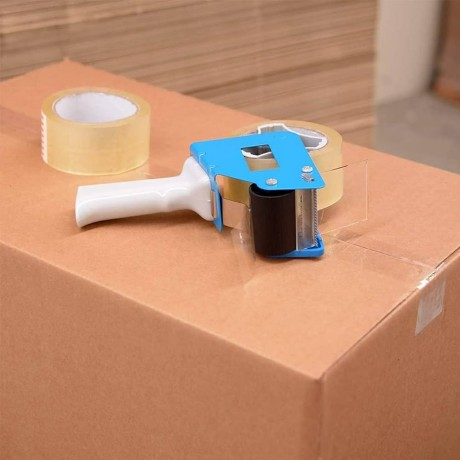
Tape performance is also affected by how it is applied.
For hand application, buyers often pay attention to:
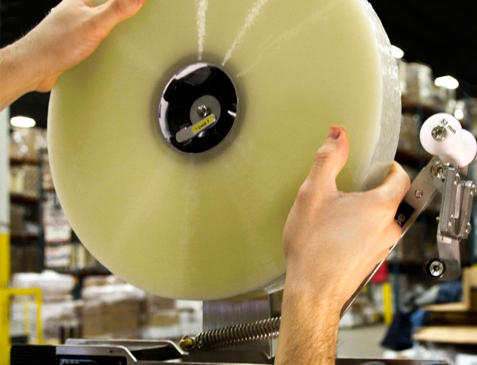
For machine application, buyers should pay closer attention to:
This is one reason why a tape that works well in manual use does not always perform equally well on automatic or semi-automatic lines.
If your website visitor is using sealing machines, this is where you should guide them to the more precise machine-use option instead of leaving them with a generic article only.
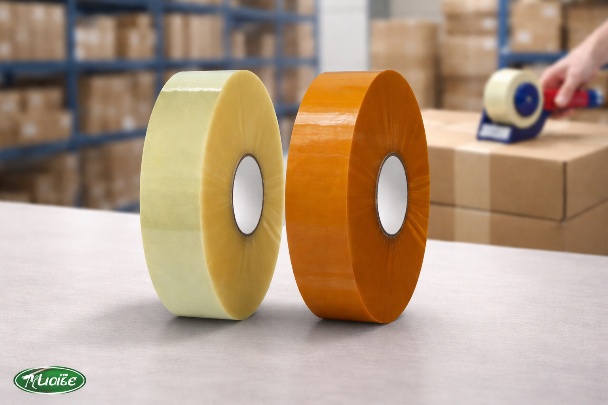
Shipping and Storage Conditions Can Change Sealing Performance
This is the part many buyers notice only after the first shipment.
A tape that performs well in a clean packing room may behave differently after:
That is why buyers should confirm not only the product specification, but also the actual route and storage conditions.
For example:
long export transit may require more confidence in holding power
dusty environments may reduce bonding consistency
heavy stacking pressure may expose weak sealing faster
colder or hotter environments may affect tape behavior differently
The important point is not to overcomplicate a simple product. It is to avoid treating all carton sealing jobs as if they were identical.
BOPP Tape Inquiry Checklist for Bulk Orders
This is where many articles stay too general. For real purchasing work, buyers need a checklist.
Before asking for a final quotation, it is useful to confirm:
carton size
carton weight range
carton surface condition
adhesive preference, if known
tape width
tape length
total thickness or thickness range
hand use or machine use
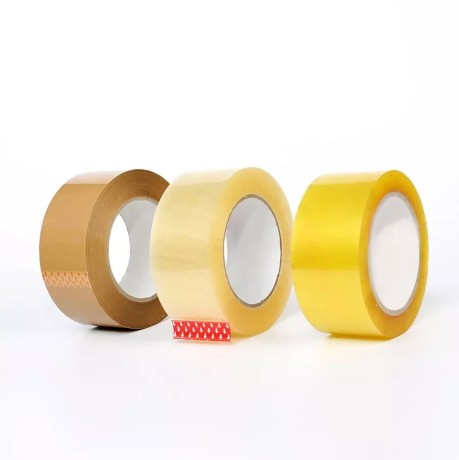
clear, brown, printed, or custom requirement
target market
packing requirement
expected order volume
This kind of checklist helps reduce back-and-forth communication and improves quotation accuracy.
As a China-based adhesive tape and film manufacturer serving overseas buyers, RUNHU can support more efficient communication when the tape requirement is confirmed in this way from the start. Buyers looking beyond standard sealing can also be guided to broader packaging categories depending on whether they need routine tape supply or customized tape solutions.
Common Buying Mistakes That Lead to Sealing Complaints
Several issues appear again and again in carton sealing tape orders.
1. Comparing only by price
A lower price does not automatically mean better purchasing value if the tape cannot hold through the actual logistics process.
2. Ignoring carton condition
Carton quality and carton surface directly affect tape performance.
3. Treating all adhesive systems as the same
Water-based acrylic and hot melt should be chosen based on use condition, not assumed to be interchangeable.
4. Testing only under ideal conditions
A quick sample test in a clean room is not the same as real storage and transport.
5. Forgetting the application method
Machine use and hand use often require different consistency standards.
6. Using vague requirement language
Terms like “strong tape” or “good quality” are not enough for reliable production communication.
These problems are common because the product looks simple. But simple products still need correct matching. In B2B purchasing, the more standardized the product seems, the easier it is to underestimate the small details that affect repeat-order consistency.
Final Thoughts
The right BOPP tape for carton sealing is not automatically the thickest, the cheapest, or the one with the most aggressive sales description. It is the one that fits the carton, the adhesive need, the packing process, and the shipping reality behind the order.
For importers, distributors, and packaging buyers, the safest approach is to confirm the carton condition, thickness range, adhesive type, and packing method before the order is finalized. That usually leads to a more useful quotation and fewer problems after shipment.
If you are currently reviewing BOPP tape for carton sealing, bulk purchasing, or repeat packaging supply, a clear inquiry is the fastest way to move forward.