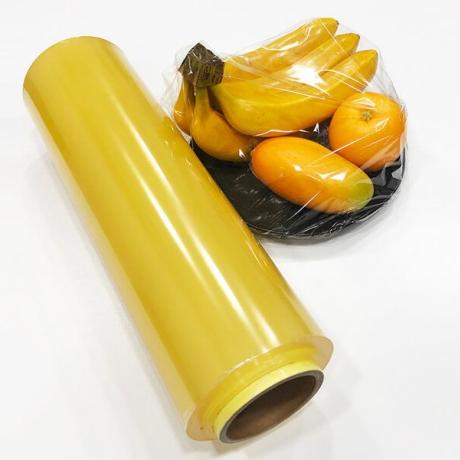
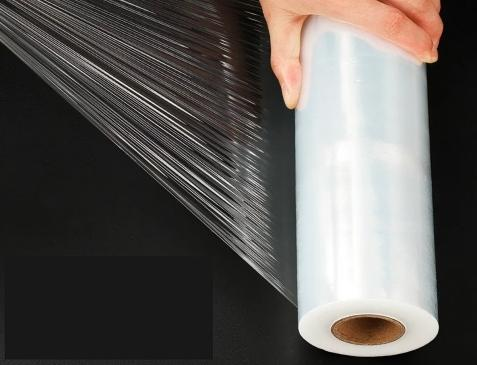
In daily life, we often use cling film to wrap food, reducing contact between the food and oxygen in the air, slowing down the oxidation and spoilage process, and retaining the moisture and freshness of the food.
However, if cling film is not used correctly, it can pose many health risks. Not all cling films can be heated; some cling films may produce toxic and harmful substances when heated, and might even produce carcinogens. So, how should cling film be used and chosen? Today, we will explain it clearly, so hurry and tell your parents!
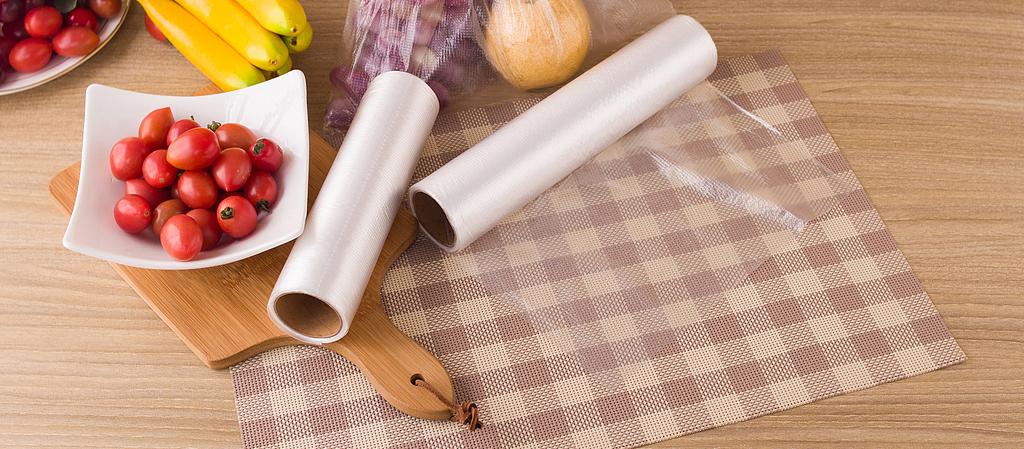
There are 4 types of cling film materials. Which ones are harmful when heated?
Although cling film appears soft and transparent, their materials are different, typically made from the following plastic materials:
Polyethylene (PE)
This is one of the most commonly used cling film materials, widely used for its safety and low cost. PE cling film has good breathability, but its thermal stability and tensile strength are relatively weak. Cling films made from this material are generally microwaveable, but prolonged heating above 110℃ may cause thermal melting. Therefore, it is advised not to wrap food with this kind of cling film and place it in the microwave for long periods at high temperatures.
Polyvinyl chloride (PVC)
Earlier cling films mostly used PVC materials, which have high transparency and good ductility. However, due to the presence of plasticizers, their safety is a concern, especially at high temperatures or when in contact with greasy foods. Cling films made from this material contain plasticizers which can release harmful substances at high temperatures and are not recommended for heating.
Polyvinylidene chloride (PVDC)
Cling films made from this material have good barrier properties but are used relatively less due to their high cost and environmental impact issues. This material's cling films perform well and can withstand high temperatures of 140℃~180℃ and can be used for heating but are advised not to be placed in high-temperature ovens.
Other biodegradable materials.
With the rise of environmental awareness, some cling films now use bio-based or biodegradable materials, such as polylactic acid (PLA).
Additionally, you can check the label or packaging instructions. Some manufacturers usually indicate on the cling film packaging whether it can be used for heating. If the cling film is purchased through official channels and the packaging clearly states that it can be microwaved, it is generally safe to use.
Does cling film containing plasticizers cause cancer?
When it comes to cling film, people may think of the carcinogenic "plasticizers." PVC cling film containing DEHP plasticizers indeed carries certain risks, but other types do not need to be overly worried about.
DEHP plasticizers may leach out during heating, posing health threats, such as potentially disrupting the body's hormone system, causing endocrine disorders, and even leading to reproductive defects or other reproductive harm. However, the DEHP plasticizer concentration that the human body typically encounters daily is far below the levels that could cause these health issues. So, as long as the DEHP plasticizer use meets relevant requirements, reasonable use should not be overly concerning. What needs attention is to ensure purchasing cling film products through official channels and avoid buying unqualified products because they are cheaper.
Additionally, if you are very concerned about the health risks of PVC cling film containing DEHP, you can choose other safer cling film materials instead. Can the oil in food dissolve the cling film?
Some people are curious if sometimes there is a lot of oil on the surface of the cling film, is it because the oil from the food dissolved the cling film? Actually, it is not. Cling film is a polymer material made by polymerizing ethylene molecules. There are gaps between the molecules of polymer materials, and "oil molecules" in food can pass through these gaps, resulting in an oil seepage phenomenon. This is why even if you wear gloves to eat crayfish, your hands still get oily.
If the cling film wrapping the food has already seeped oil, can the food still be eaten? Ignoring temperature effects, the oil will only seep out of the cling film and cannot dissolve it, so there is no need to worry about eating "liquid cling film."
Tips for selecting and using cling film:
Look at the material type Polyethylene (PE): PE cling film is generally considered a relatively safe choice, suitable for daily use.
Polyvinyl chloride (PVC): PVC cling film may contain plasticizers; it is recommended to avoid using it for food packaging.
Polyvinylidene chloride (PVDC): Has better barrier properties but at a higher cost and environmental impact to consider.
Check the product label Inspect if the packaging has food safety markings and indicates whether it can be used for microwave heating. Look for transparency and stickiness Good cling film should have good transparency and appropriate stickiness, making it easy to stick to food containers. Avoid high-temperature use Follow packaging instructions, especially regarding whether it can be heated. Avoid using unsuitable cling film at high temperatures, such as in microwaves. Avoid contact with high-fat foods Some types of cling film can exhibit "oil seepage" when in contact with high-fat foods and might release chemicals.
Choose food-grade cling film Common cling film is mostly PE material, but not all cling films labeled PE, high-density polyethylene (HDPE), or low-density polyethylene (LDPE) are suitable for food wrapping. Ensure it specifically has "food-grade," "food safety license," or "QS" markings to be used for food. Common garbage bags are also made of PE material, but do not use them for food! Generally speaking, cling films that cannot be used for wrapping food tend to have excessive plasticizers, containing DEHP plasticizers and other harmful substances.